
The content on this website is published in English. I cannot guarantee the quality of the translated text generated by the plugin of this website. The machine-translated “names” and “terminology” are often inconsistent and/or incorrect. If it looks confusing, please switch back to the English version.

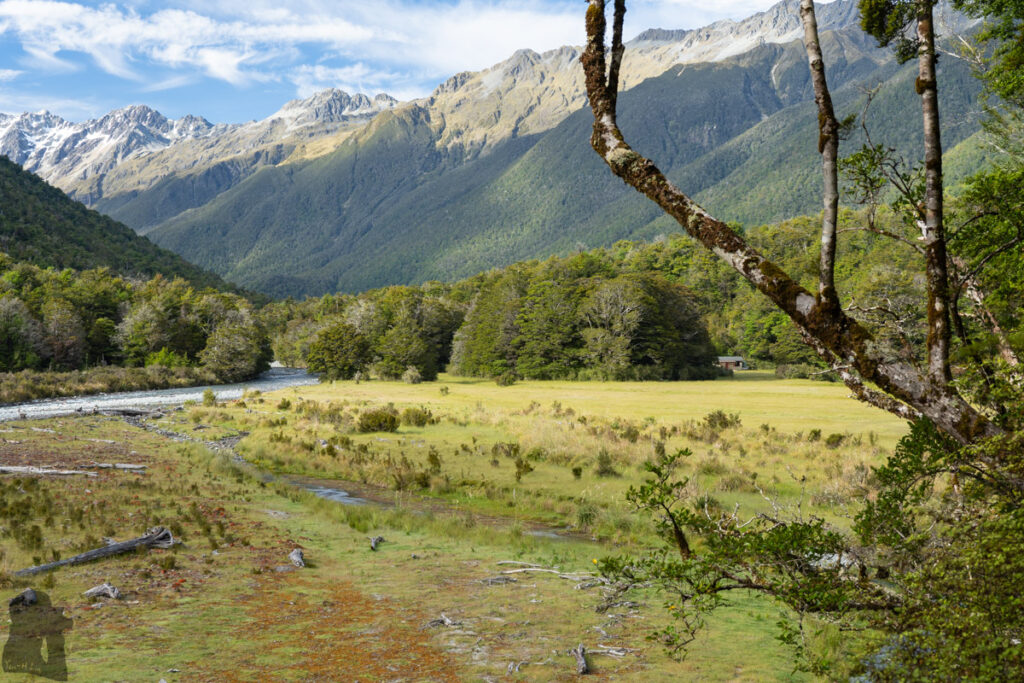
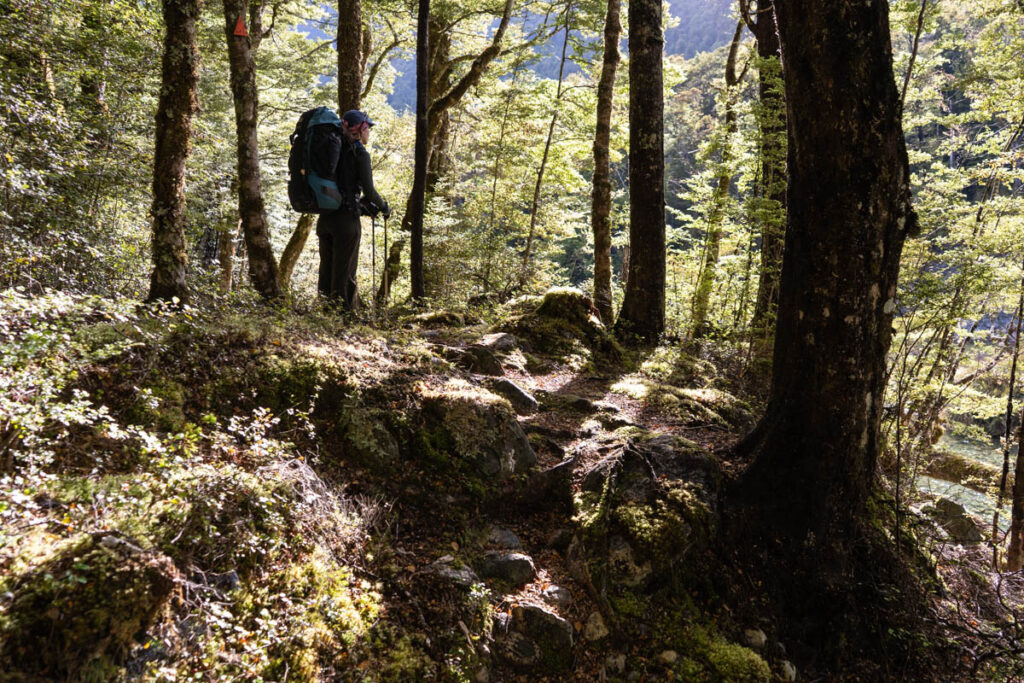
Disclaimer: Information such as the locations or the trails shown on the maps of this website might be inaccurate, misleading or out-of-date. They are only the simple illustration for the ranges of the hiking trails or the points of interest. Please prepare your own navigation device, apps, topo maps, and GPX files for hiking.
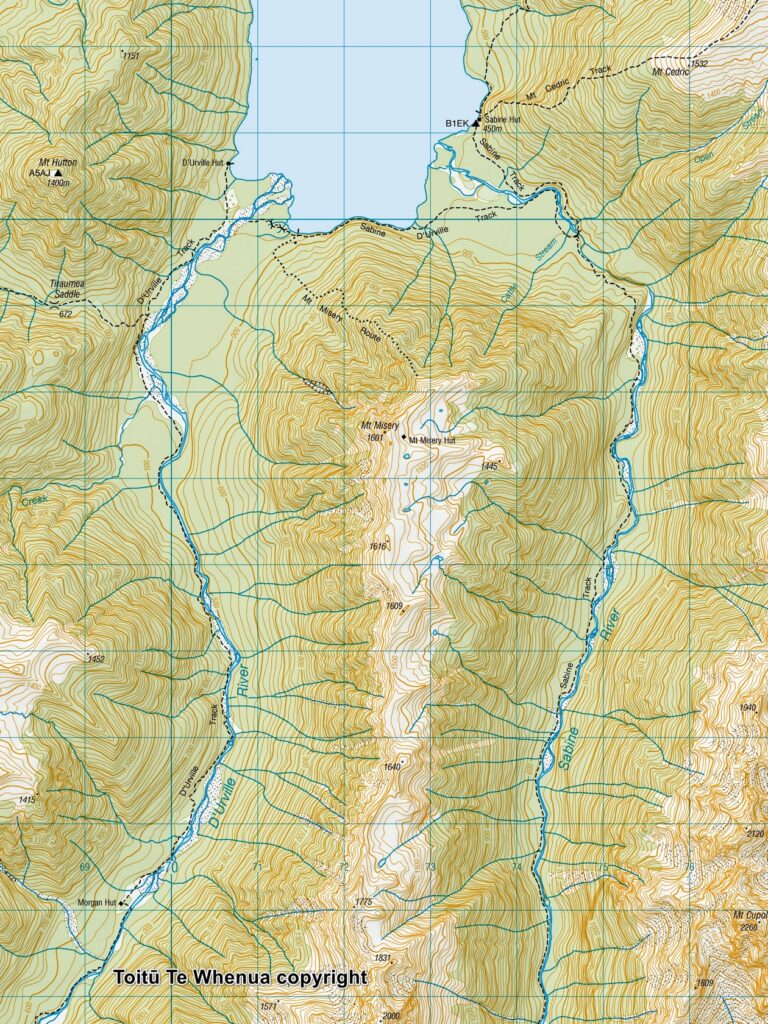
Toitū Te Whenua copyright
Sourced from Topo50 Map BS24 Mount Robert. Crown Copyright Reserved
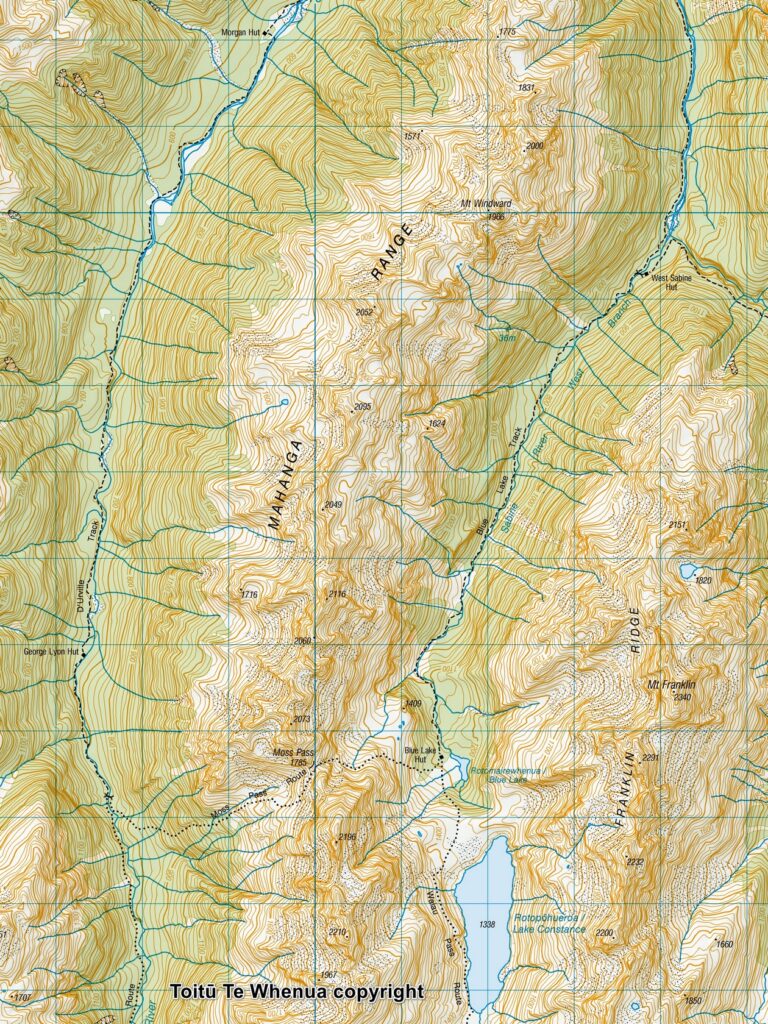
Toitū Te Whenua copyright
Sourced from Topo50 Map BS24 Mount Robert. Crown Copyright Reserved
Revisit Rotomairewhenua / Blue Lake on Sabine Track-Moss Pass-D’Urville Track
The Difficulty Rating: ★★★⯪☆3.5
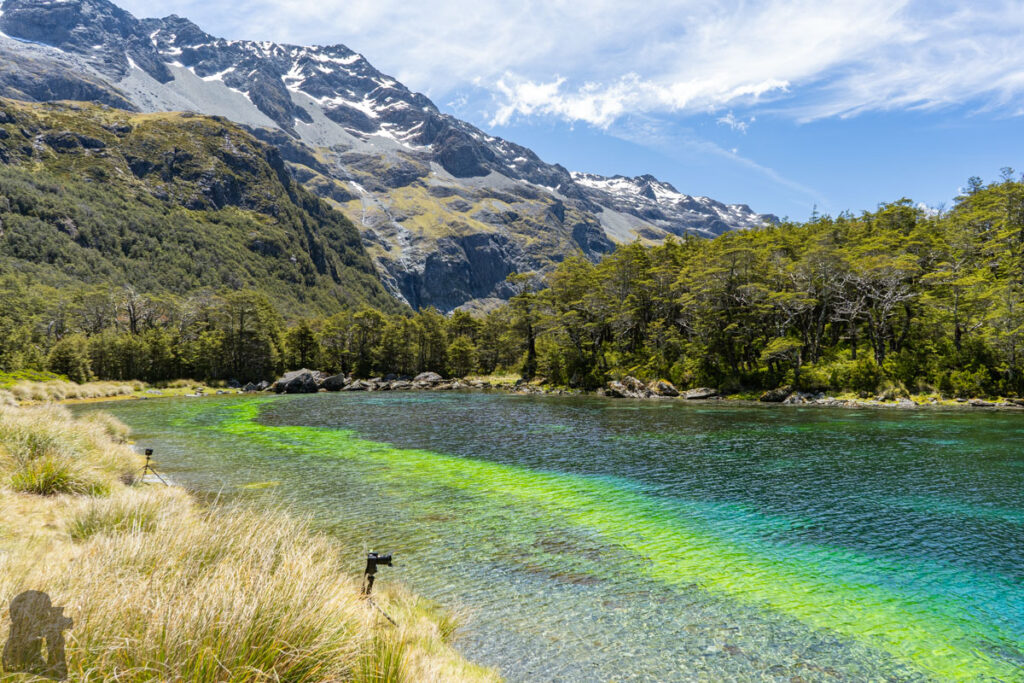
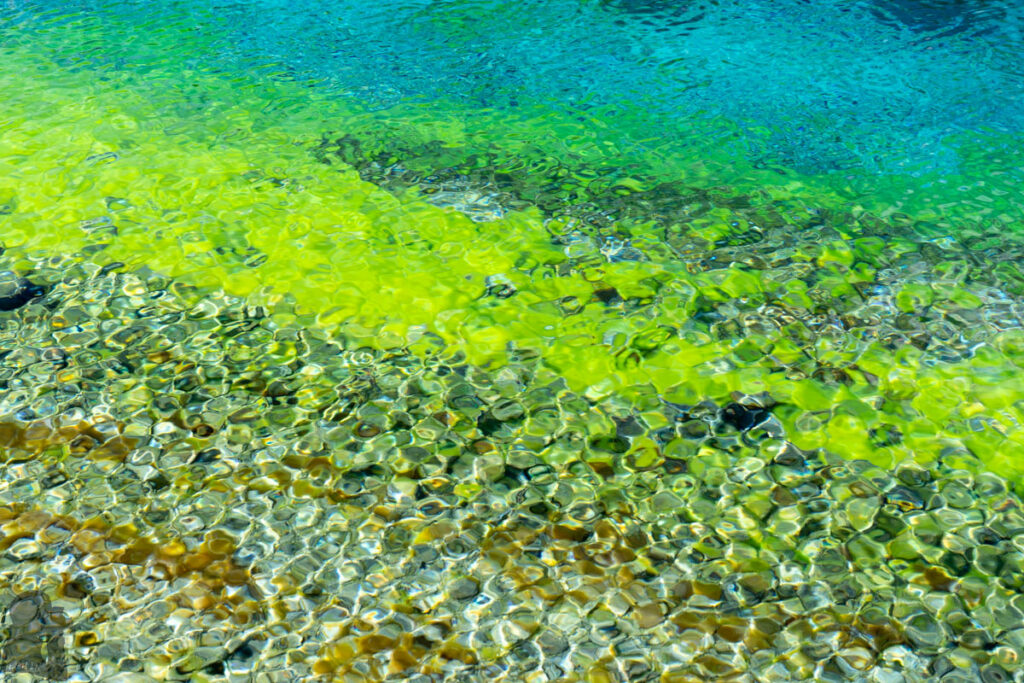
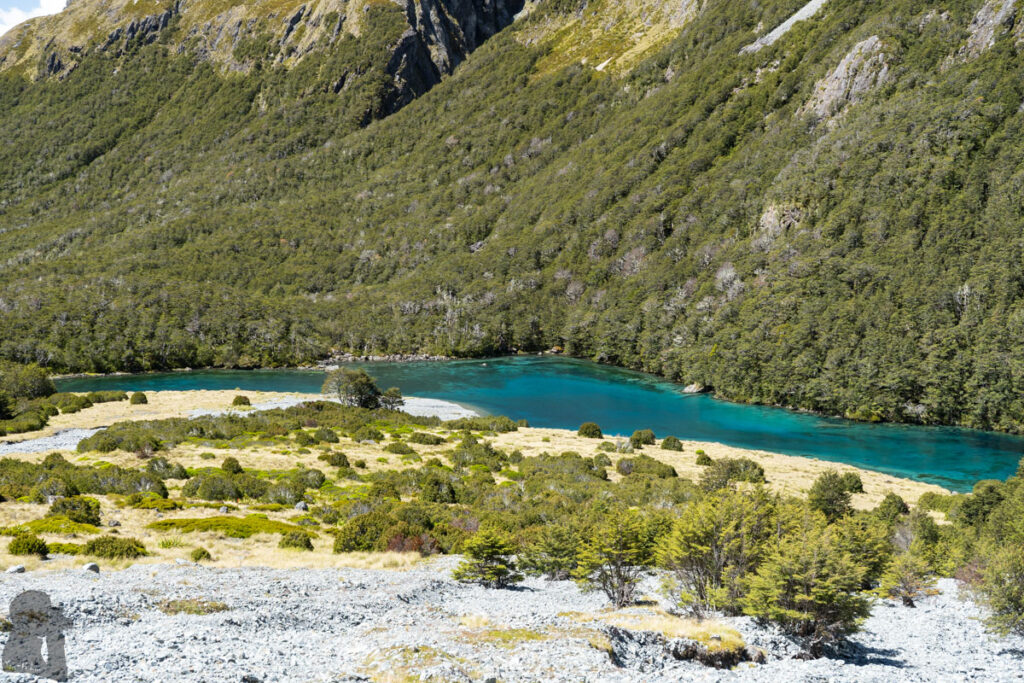
If you want to visit Rotomairewhenua / Blue Lake, officially the clearest fresh water in the world, but do not wish to have a return trip from Sabine Hut, then the loop (or nearly a loop) via Sabine Track-Moss Pass-D’Urville Track is another option other than Travers-Sabine Circuit in Nelson Lakes National Park. In comparison to Travers-Sabine Circuit, this loop is shorter and less visited. You can access or leave the trail by water taxi from Lake Rotoroa. There is little information about this route from DOC for some reasons.
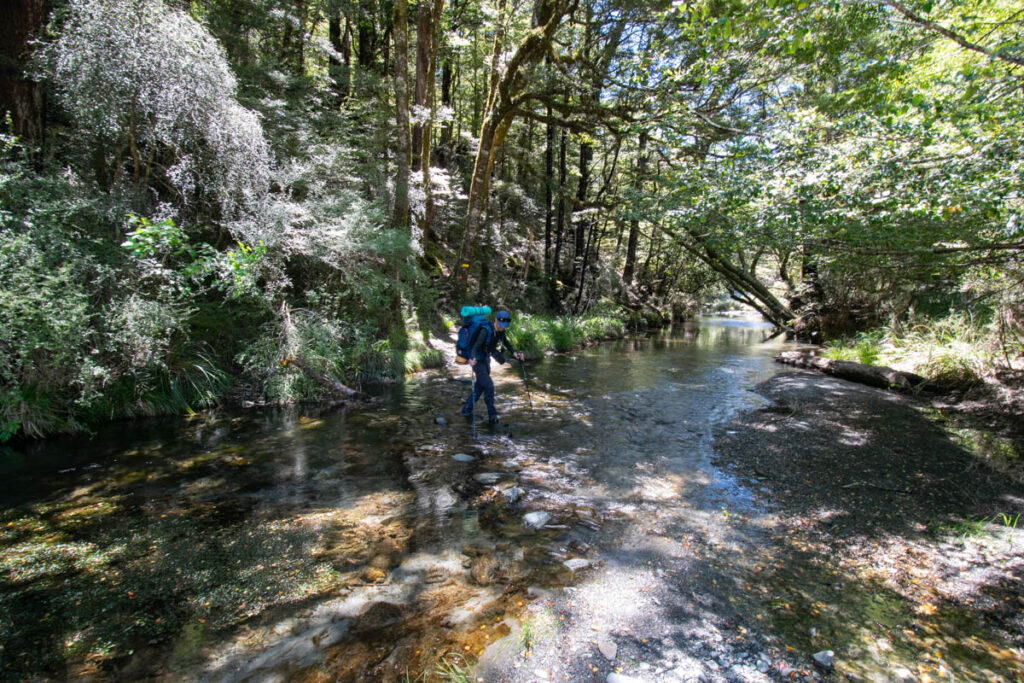
My partner and I went to Blue Lake again in December 2020, almost four years after our first visit. We planned to land at Sabine Hut and leave D’Urville Hut by water taxi after the hike. We did not want to complete the loop by passing Sabine-D’Urville Track due to the river crossing between the two huts. According to DOC the water can be 1 meter deep, which sounded worrying especially after the embarrassing lesson we got from crossing Bealey River (the hike to Lake Mavis) one year ago.
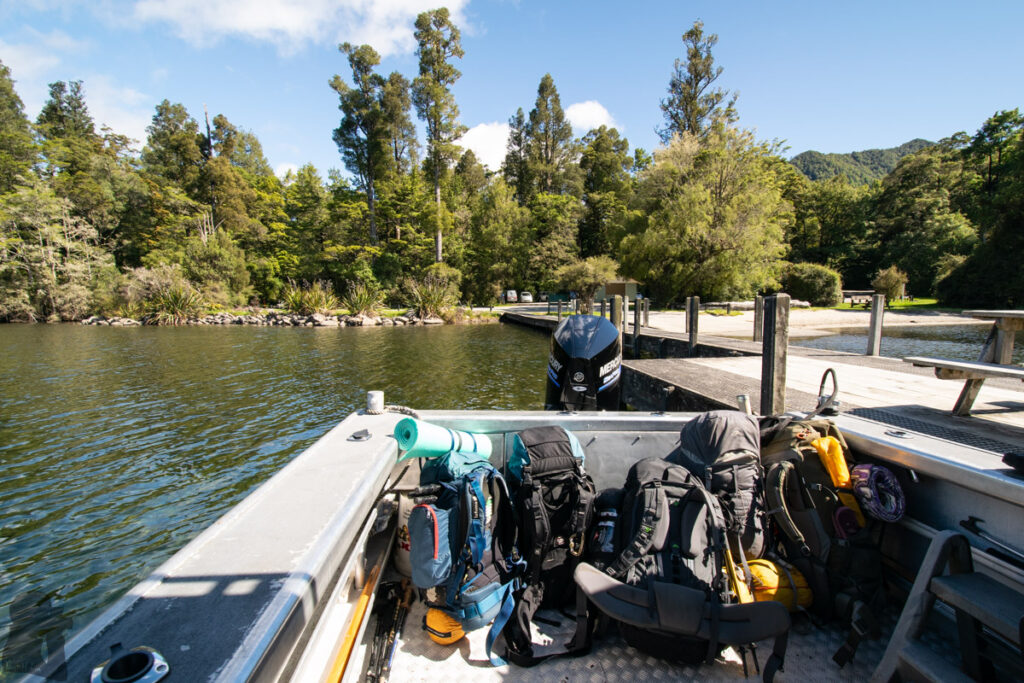
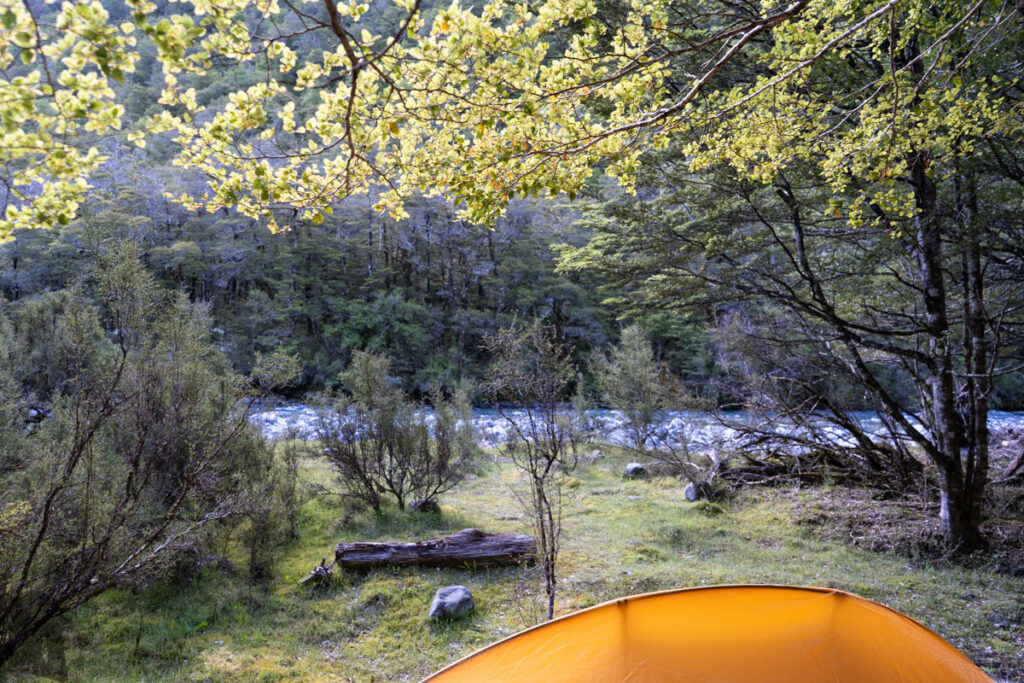
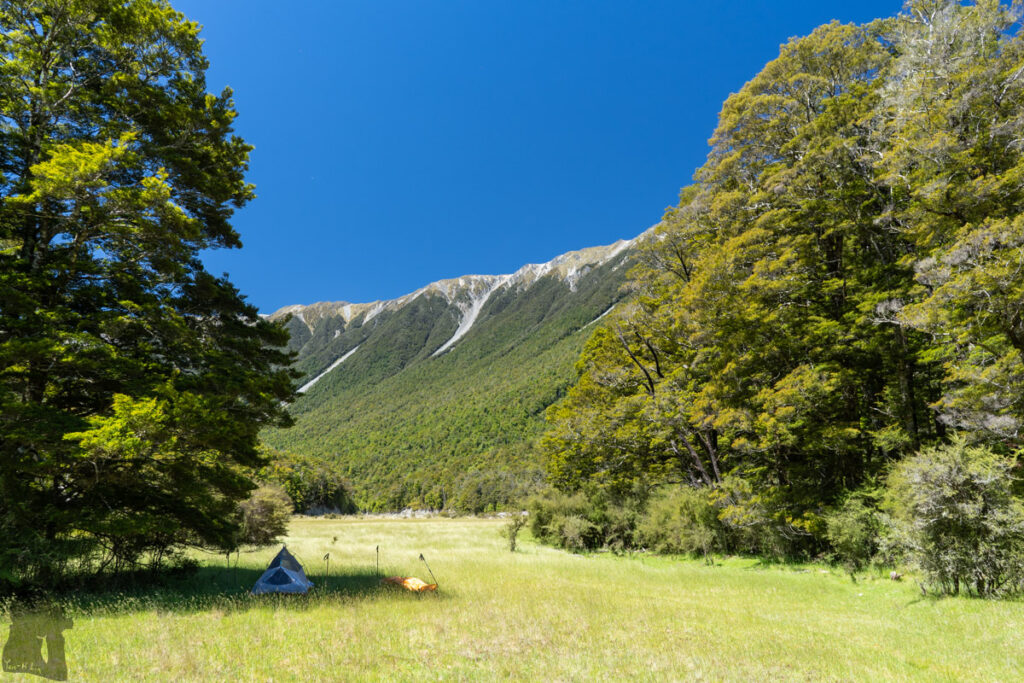
We departed from the jetty at Rotoroa village with several other trampers who were heading to Waiau Pass Route. Because it had been a couple of years that both of us did not hike for more than two days, the first day on the hike was really tiring. The track itself did not become more difficult. But we moved slowly and awkwardly with heavy load on the backs. The day was finished by camping somewhere not too far from West Sabine Hut.
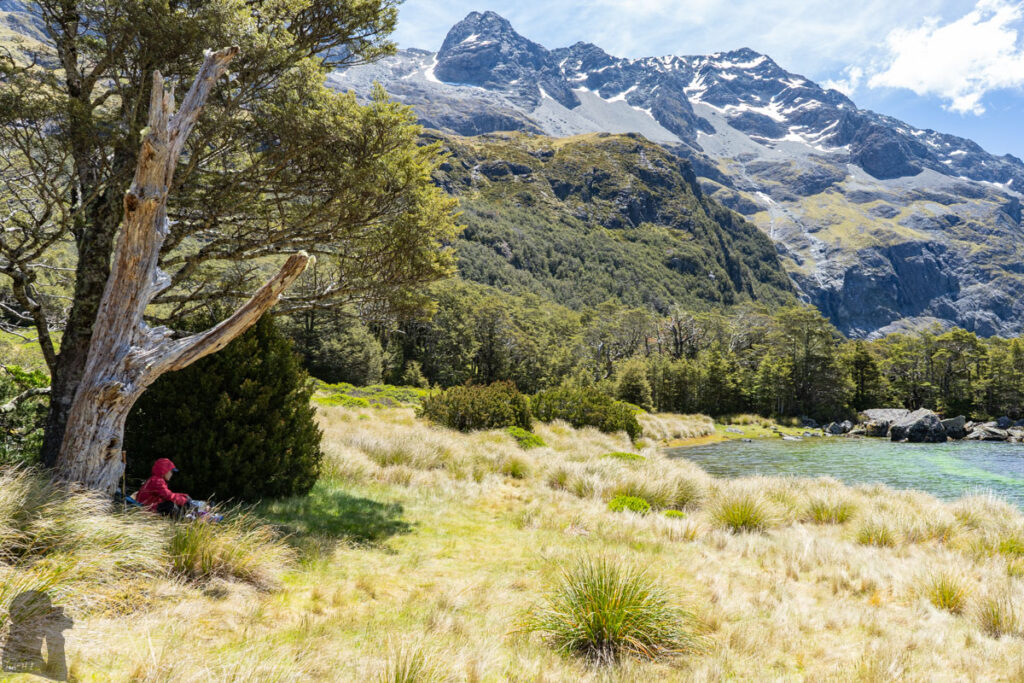
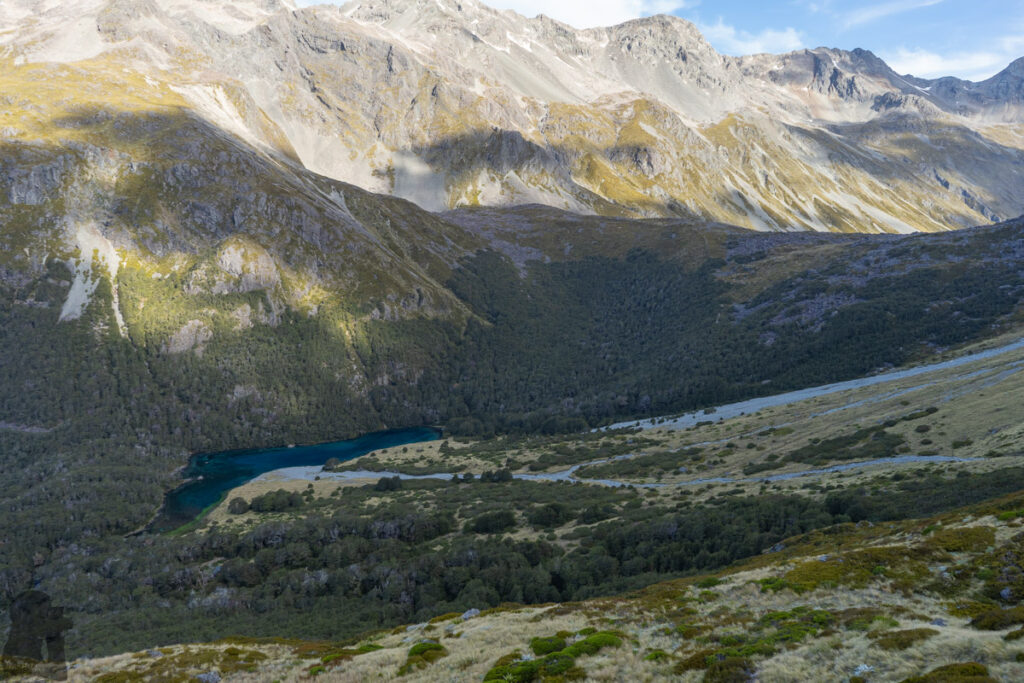
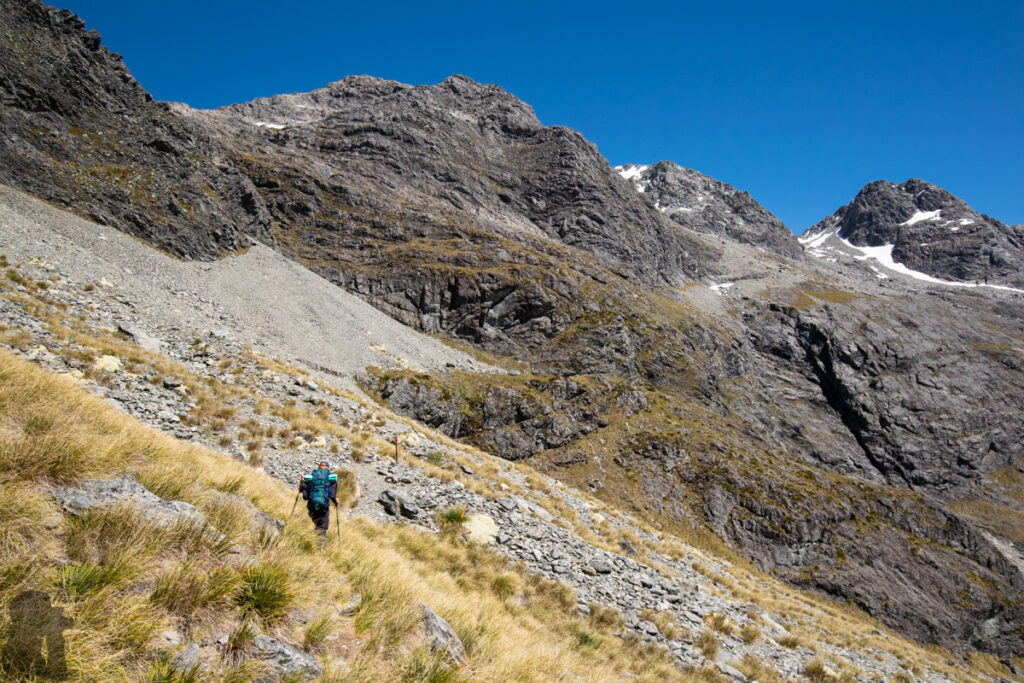
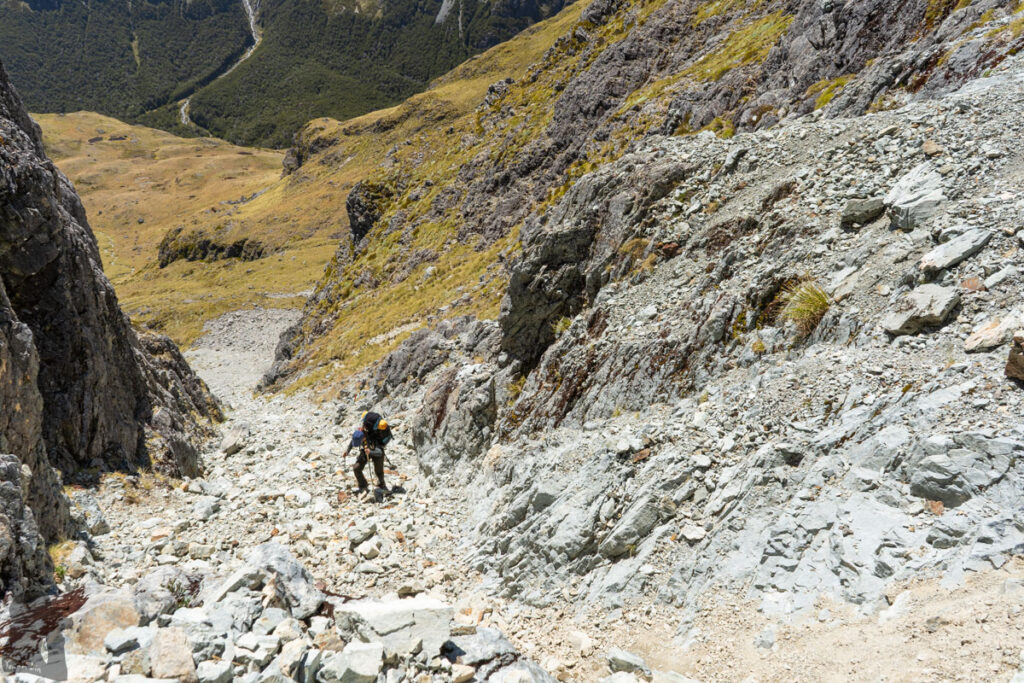
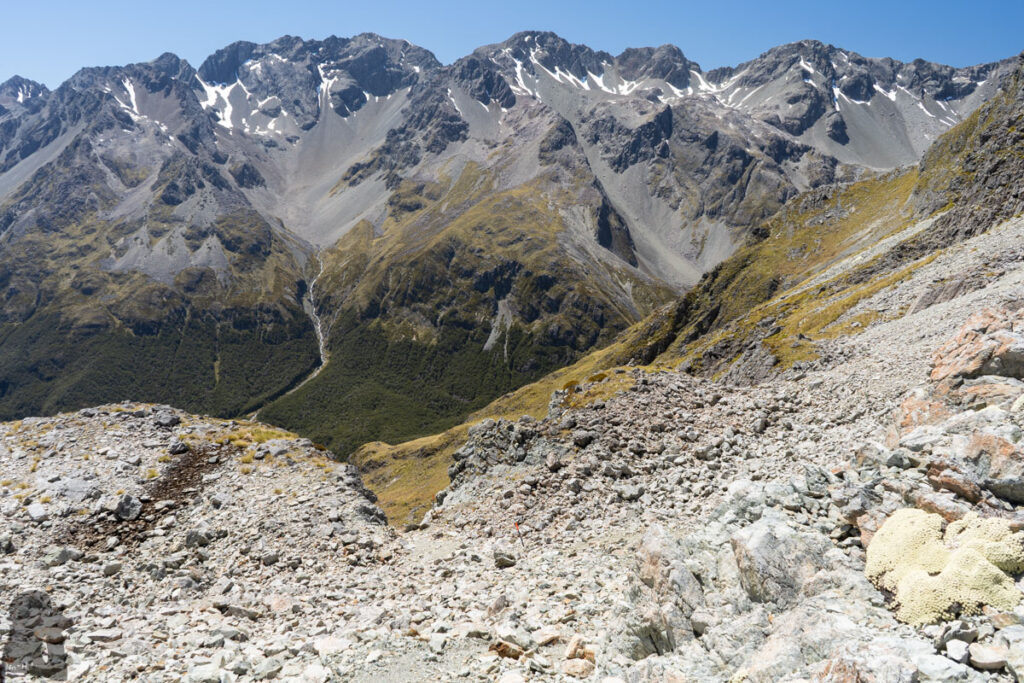
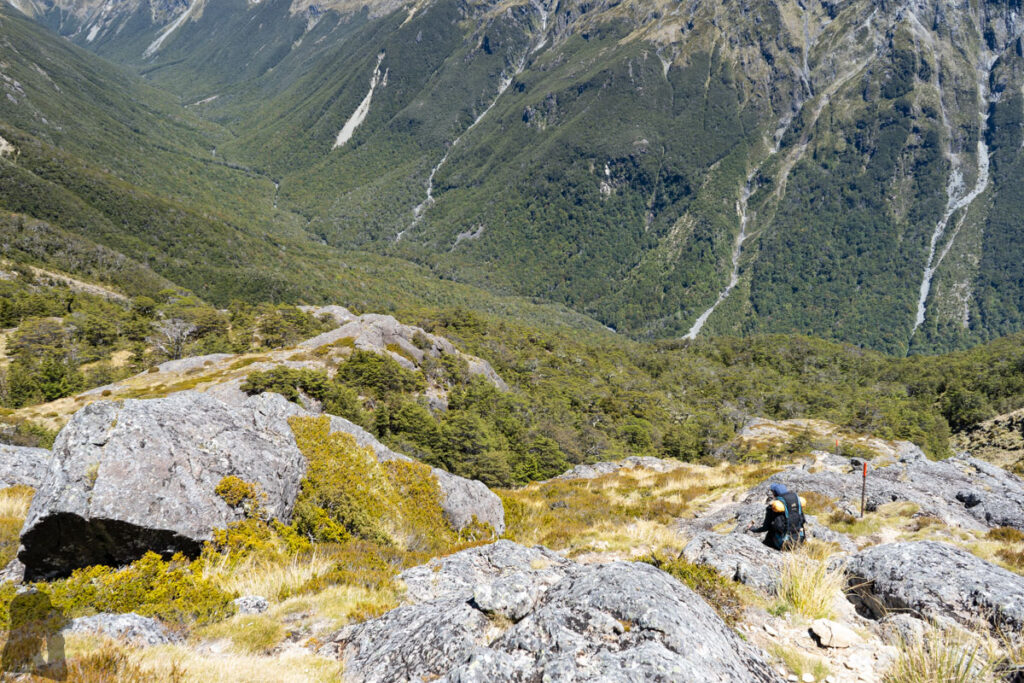
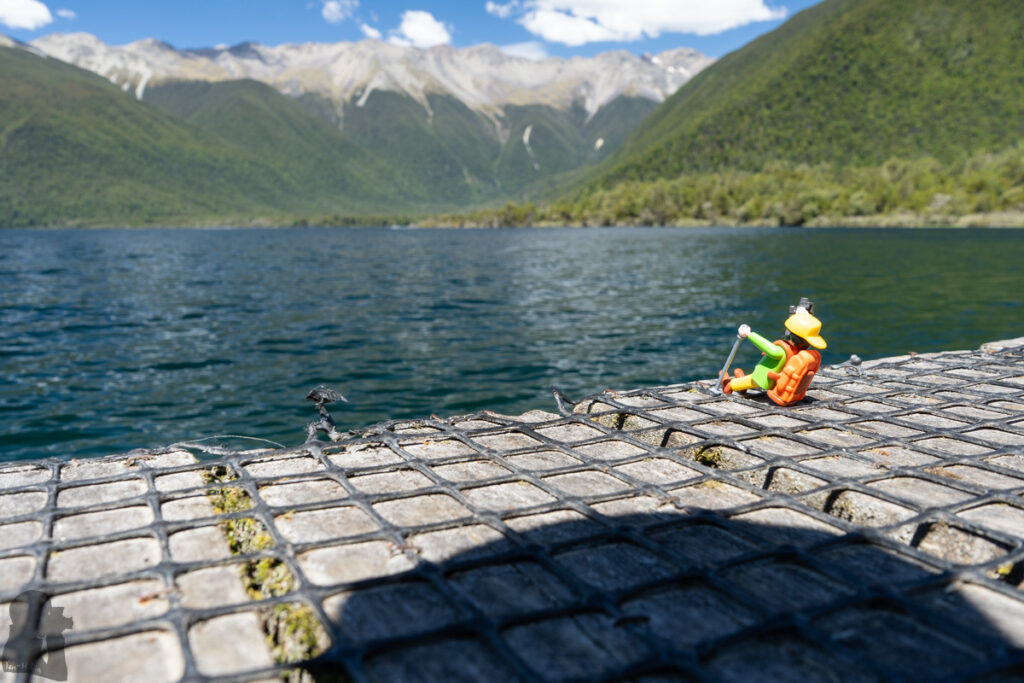
We arrived Blue Lake in the afternoon on the following day. It was as gorgeous as before. After the night staying above the lake, we ascended to Moss Pass. The last section approaching the pass was very steep where needed hard scrambles on loose ground and rocks, the most dangerous part of the whole trip. The following hike all the way to the end was straightforward, except a drama.
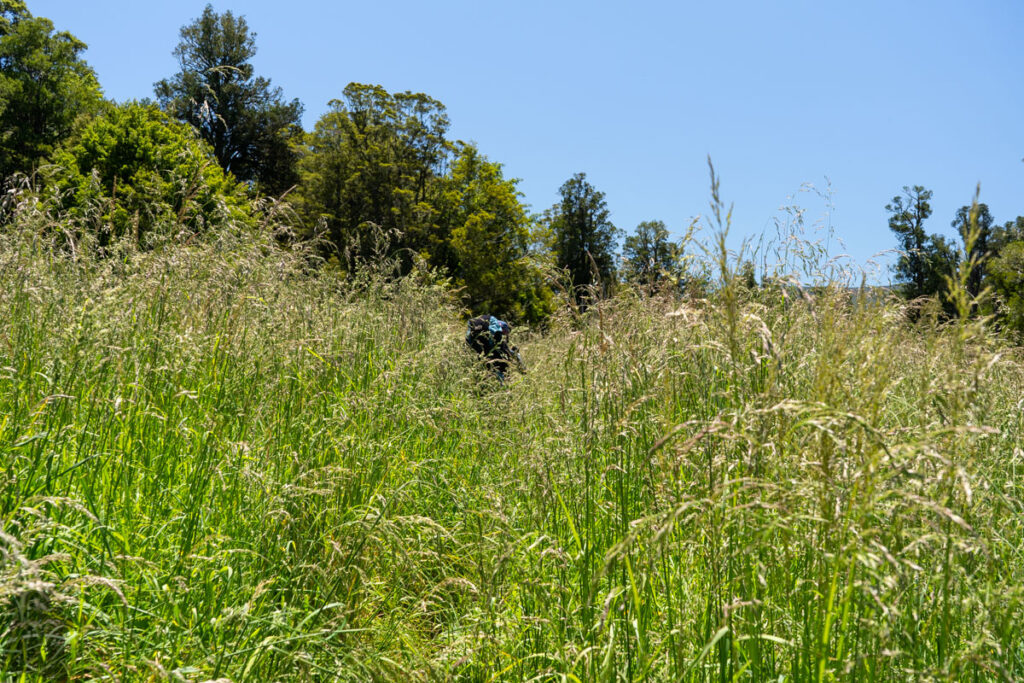
When we were approaching D’Urville Hut after the midday, my partner, walking ahead of me, was ambushed by a massive amount of pollen. It fell like dusty air on her from a kind of tall grass while she was passing it. Apparently she was very allergic to it. In a few minutes her face and throat all swelled to the extent of breath difficulty. After taking the medication, my partner managed to walk to the hut, where we originally planned to stay for the night before the last day, but now she was paralyzed on a bunk.
I started calling out for an urgent pick-up with the radio in the hut. But it seemed no one would expect such an urgent and unplanned request in a tranquil afternoon. A friendly Kiwi was in the hut with us. Thanks for the chat with him I was not too anxious while waiting the response. I made a radio call every 15 minute for approximately three hours until a clear voice like an angel from the speaker turning up. Then the water taxi came to rescue us shortly.
Our second trip to Blue Lake finished in an unexpected way. Fortunately my partner’s condition did not aggravate on the way back to Christchurch. Even both of us were experienced in hiking for some years in Taiwan and New Zealand, we still got new lessons from some incidents like this.
Overall, the difficulty of this route is similar to Travers-Sabine Circuit except for the section to climb Moss Pass. We ascended it from the Blue Lake side which might be the safer direction. (If you ascend Moss Pass from the D’Urville Valley side, there will be a precipitous descent from the pass to Blue Lake.) But we still met a family at the pass who hiked the other way around. So I think it is still up to personal preference as long as you can stay safe.
The scramble to the pass was so hard that my lens hood detached (by colliding with the ground) and dropped somewhere which we did not realize until reaching the pass. That lens hood returned to us magically because a gentleman picked it up after us.
* The photos taken by my partner