The content on this website is published in English. I cannot guarantee the quality of the translated text generated by the plugin of this website. The machine-translated “names” and “terminology” are often inconsistent and/or incorrect. If it looks confusing, please switch back to the English version.

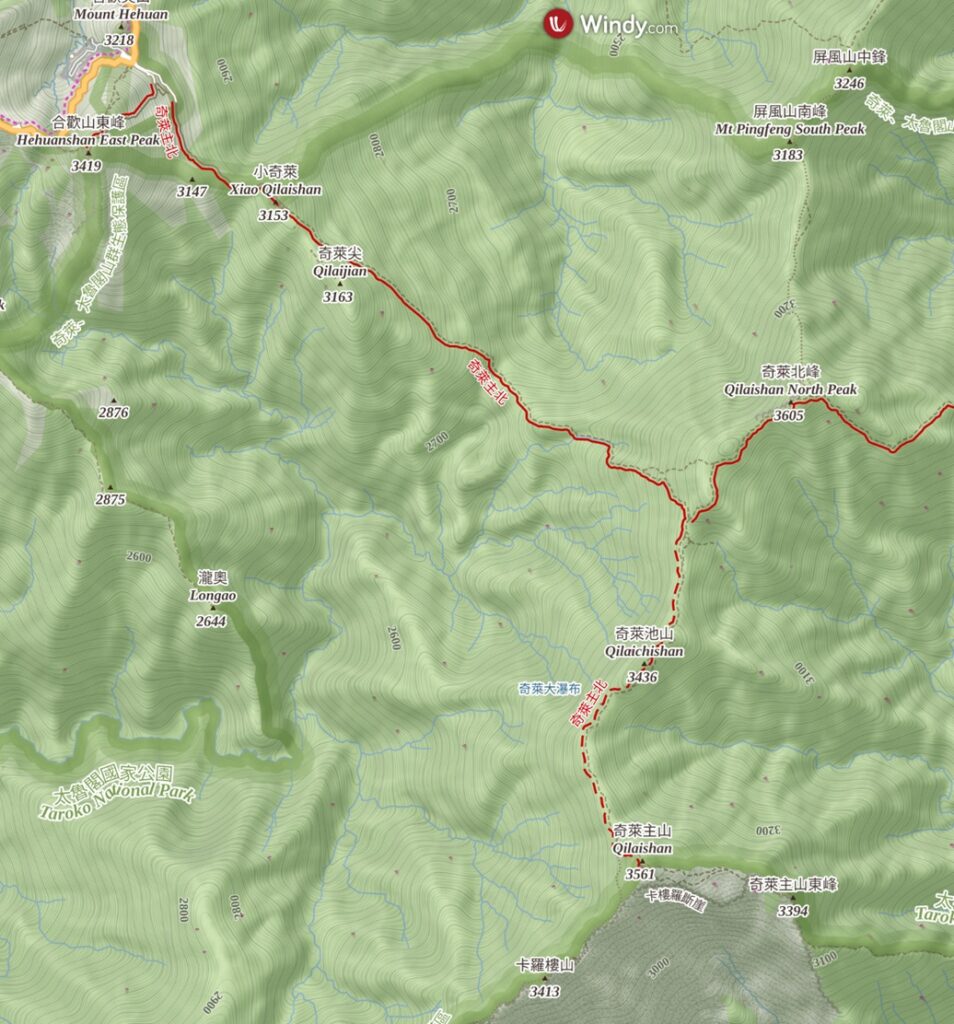
Disclaimer: Information such as the locations or the trails shown on the maps of this website might be inaccurate, misleading or out-of-date. They are only the simple illustration for the ranges of the hiking trails or the points of interest. Please prepare your own navigation device, apps, topo maps, and GPX files for hiking.
About this unsuccessful hike on Qilaishan
The Difficulty Rating: ★★★★★ (snow season)
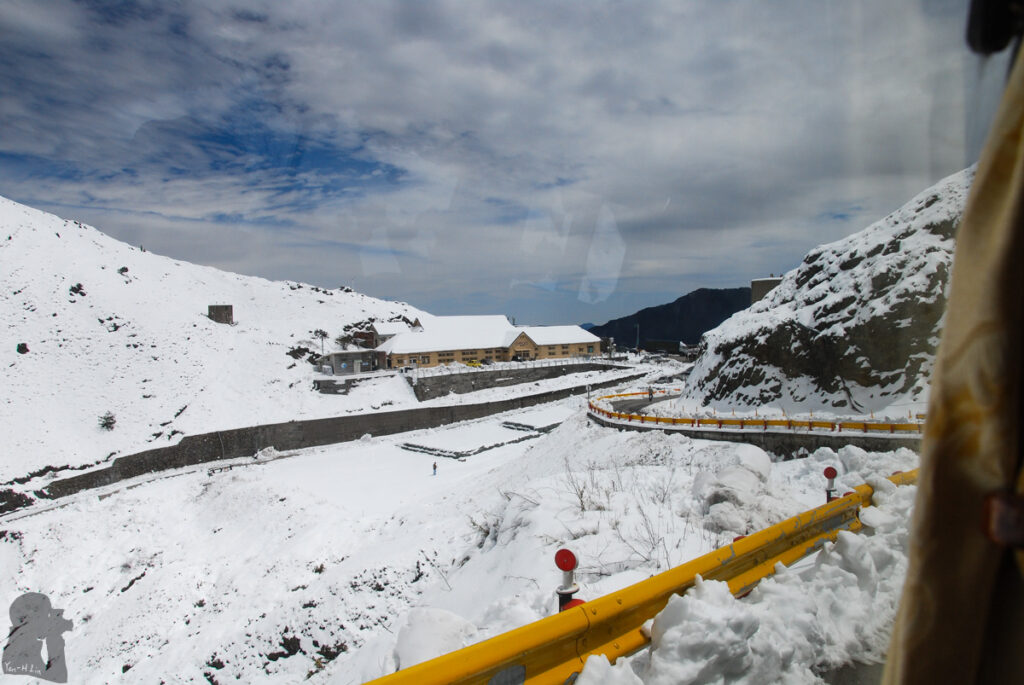
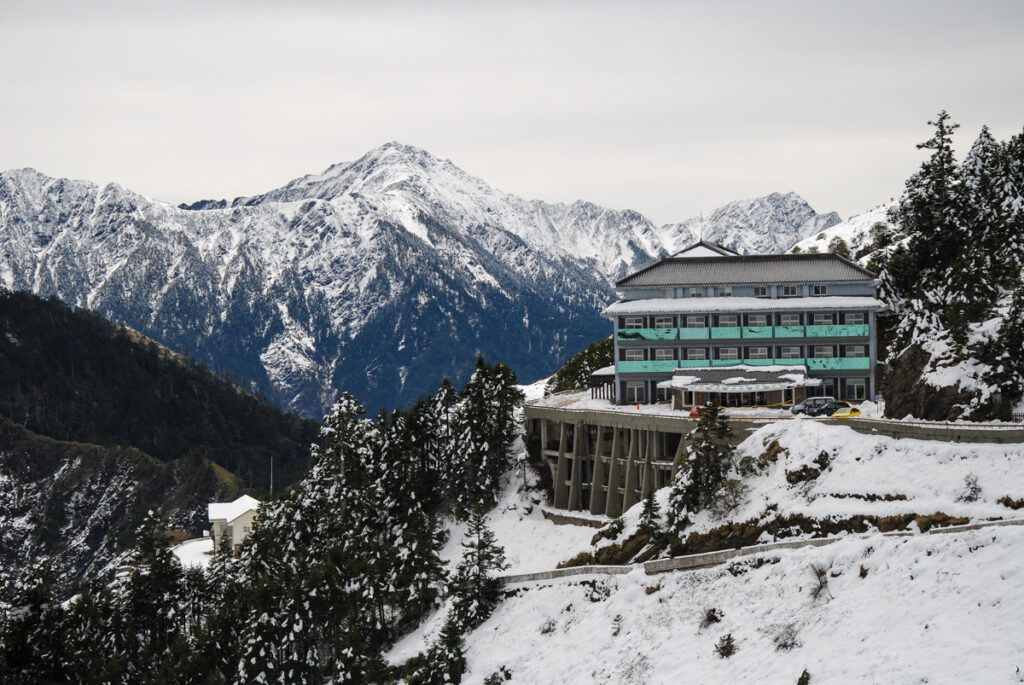
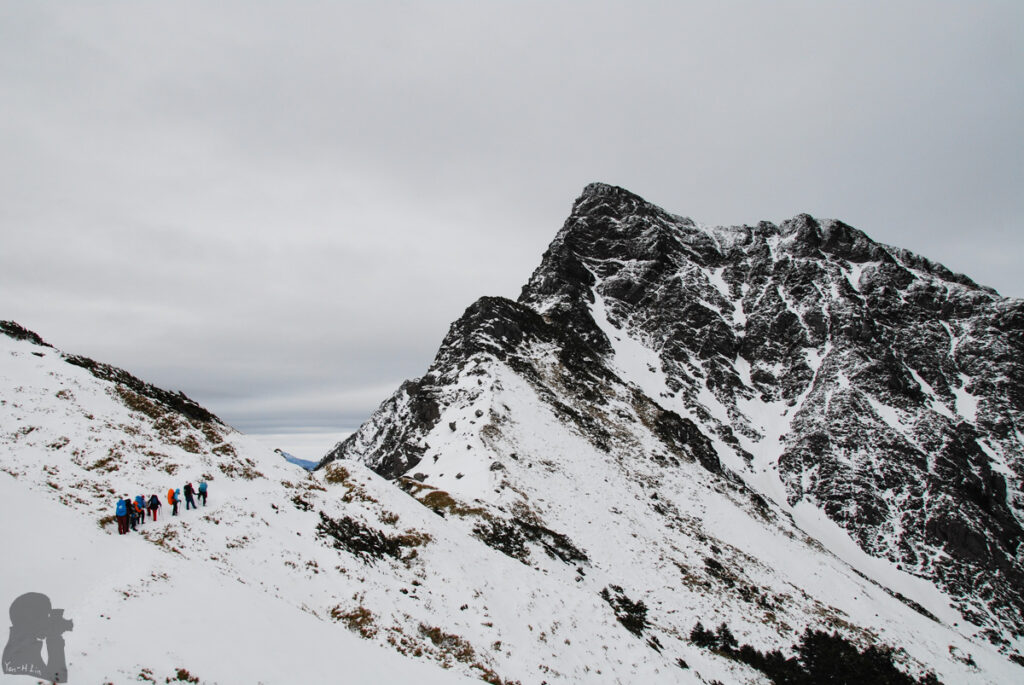
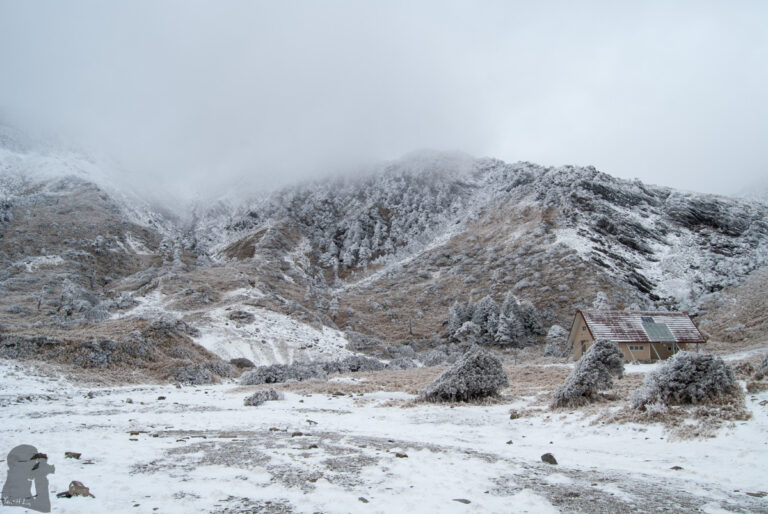
This was an unexpected and unprepared snow hiking on Qilaishan Trail on the last day of March, 2011, shortly after my snow field training in Xueshan. The original plan was to hike on Qilai East Ridge (奇萊東稜), but we ended up not reaching any summit due to the snowy condition and an incident.
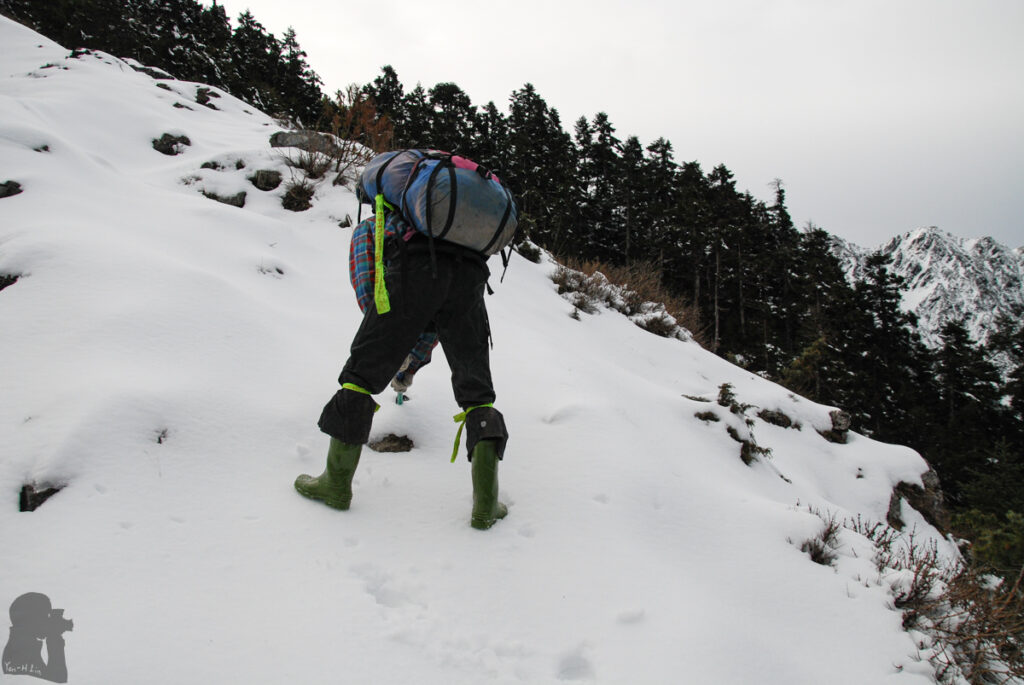
Before the departure I was aware that the snow could be a problem and so I hired a pair of six-point crampons for my rainboots (technically they are not the proper gears for snow hiking on a steep terrain, but I did not realize it during that time). Our guide was the most experienced mountain guide in Taiwan and we even hired two porters. That was one of the only two hikes I had the service from mountain assistants.
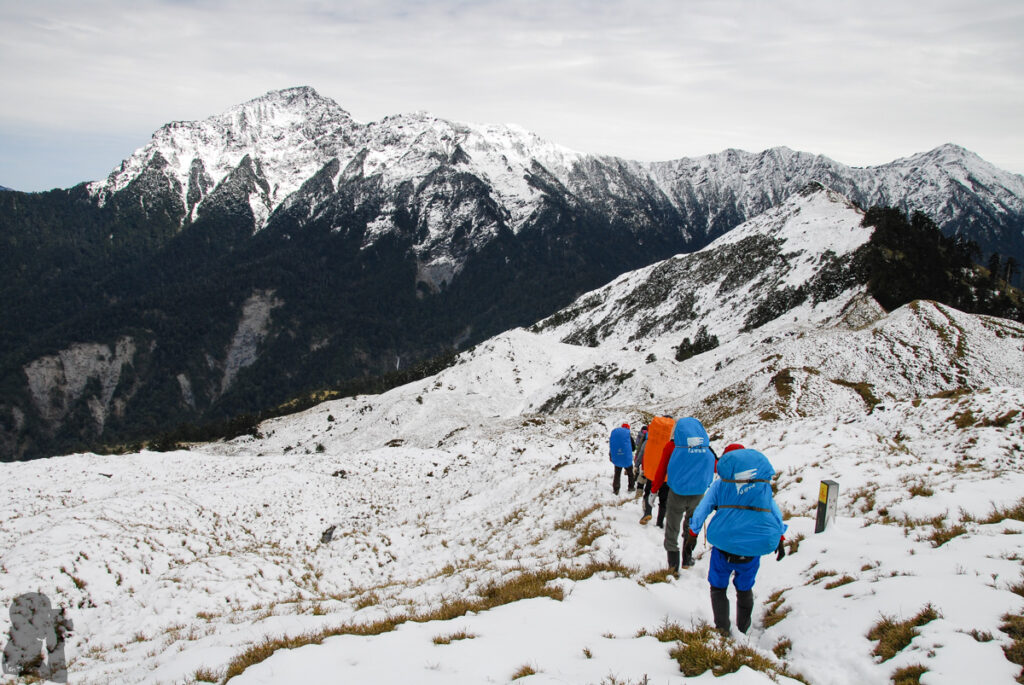
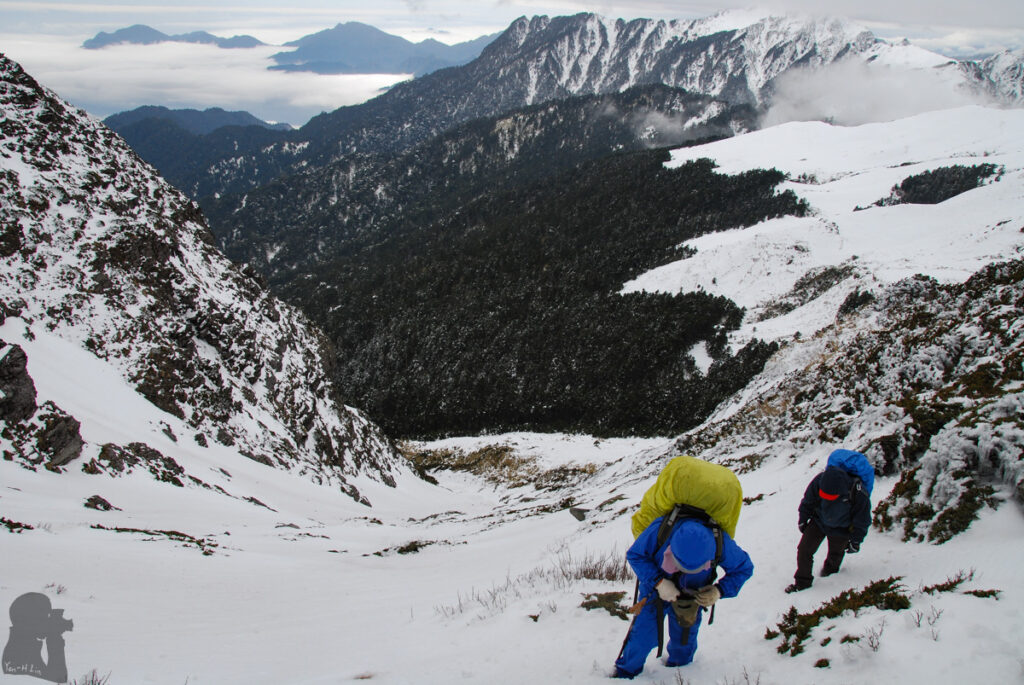
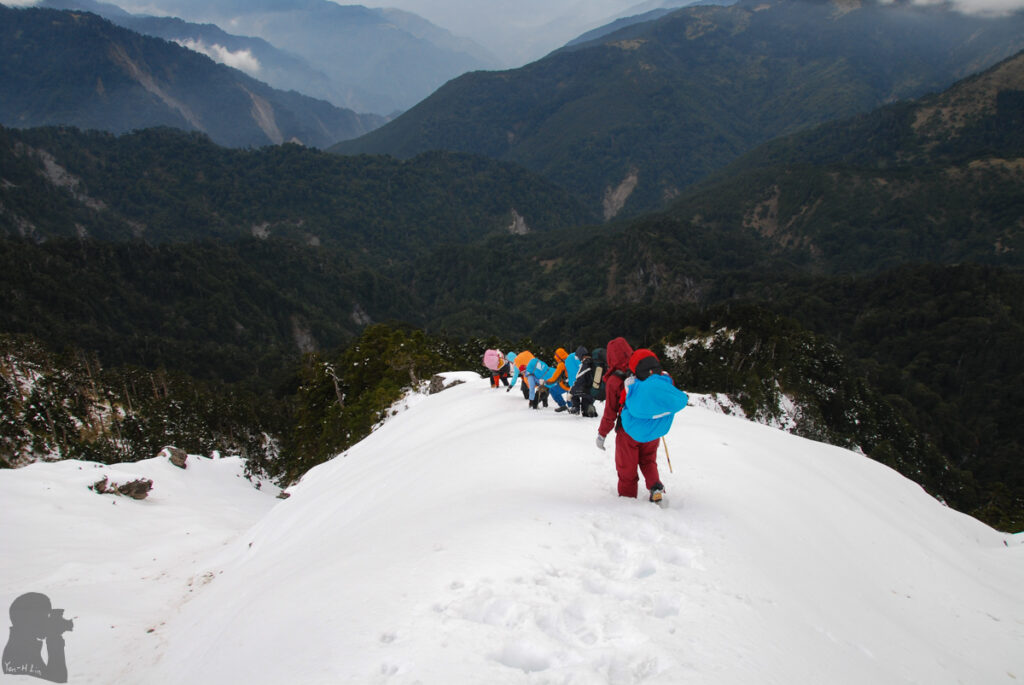
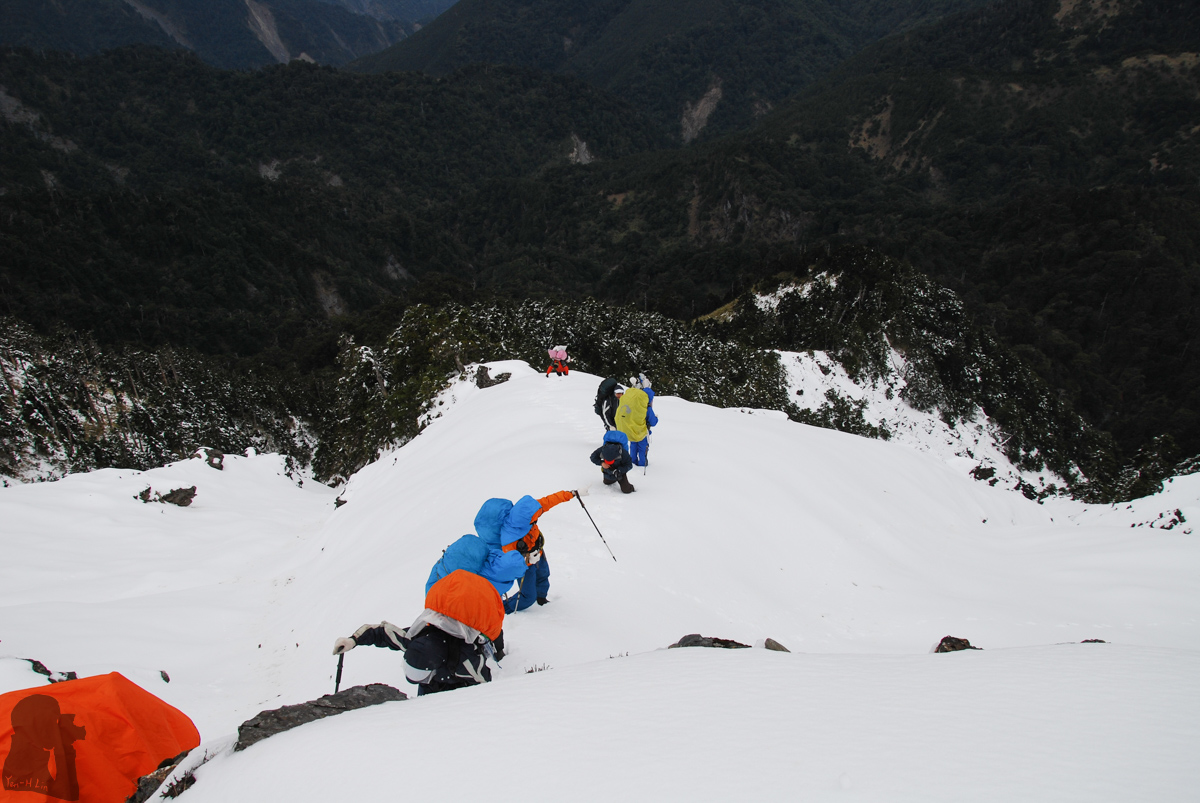
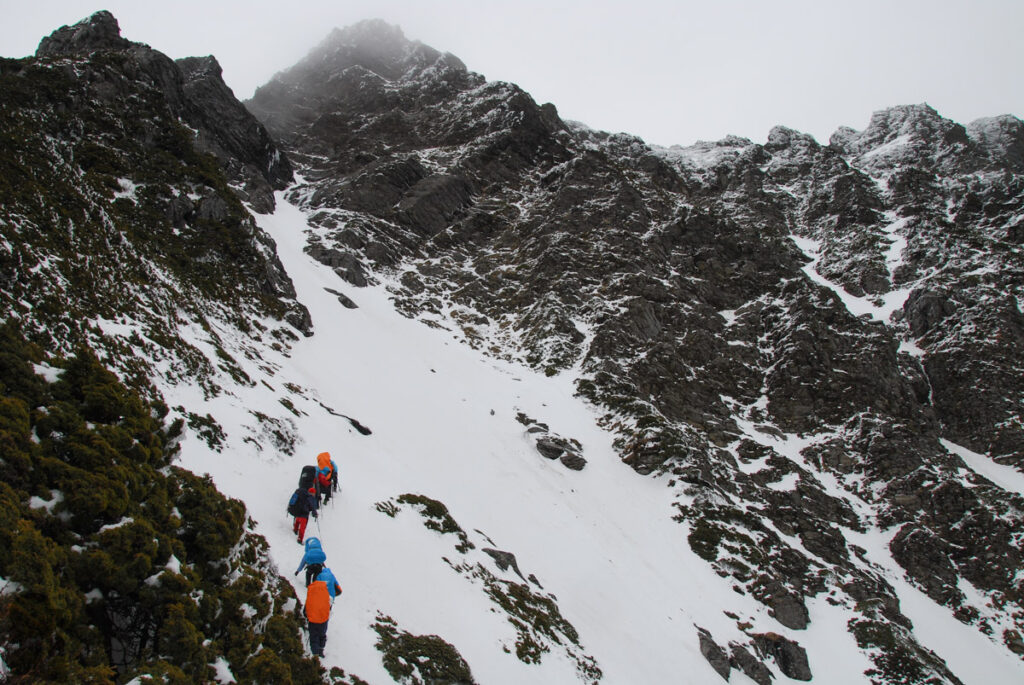
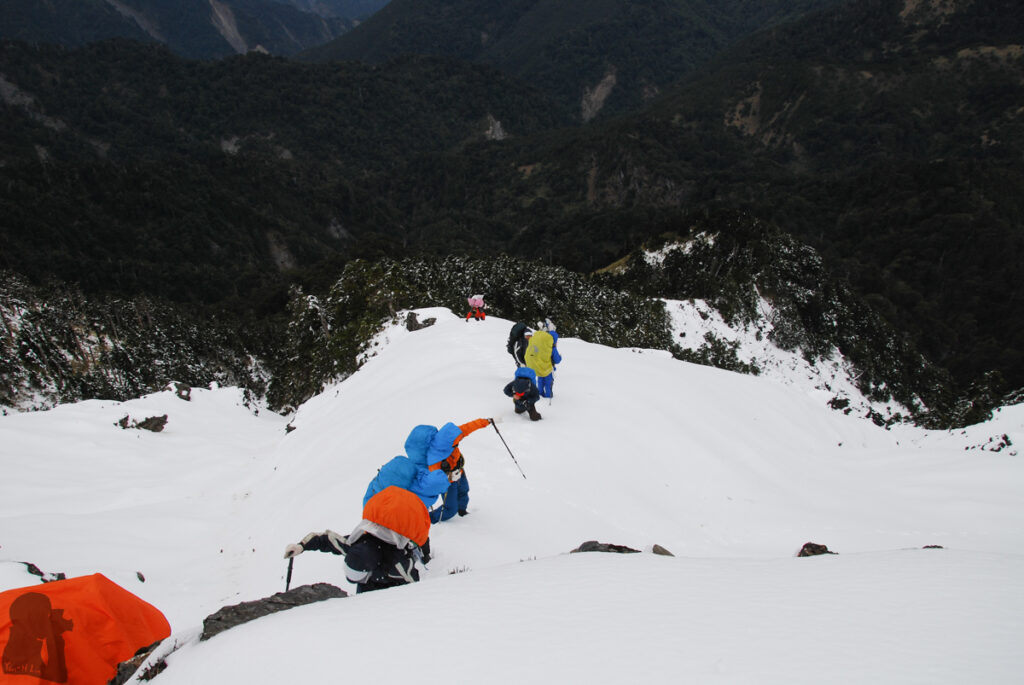
It was a strenuous struggle to climb up the ridge on the second day after going into the snowy slope. Basically the whole trail was hidden under the snow, including the fixed ropes which normally showed the path and prevented falling. We all relied on the built-in map inside our guide’s mind to lead the way; we kicked steps in turn and still managed to reach the ridge.
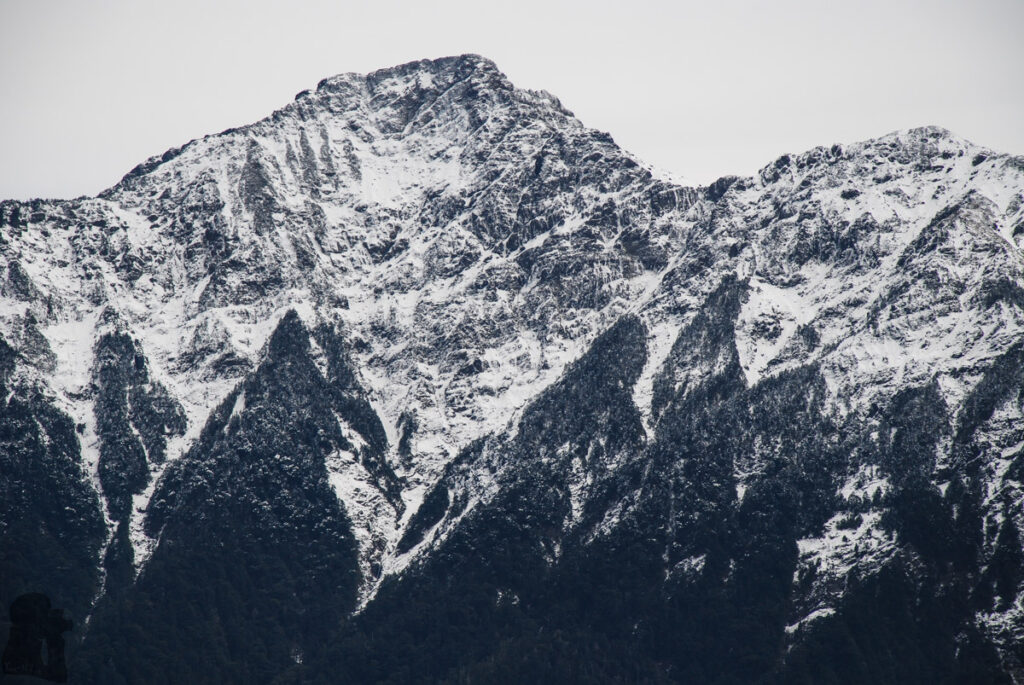
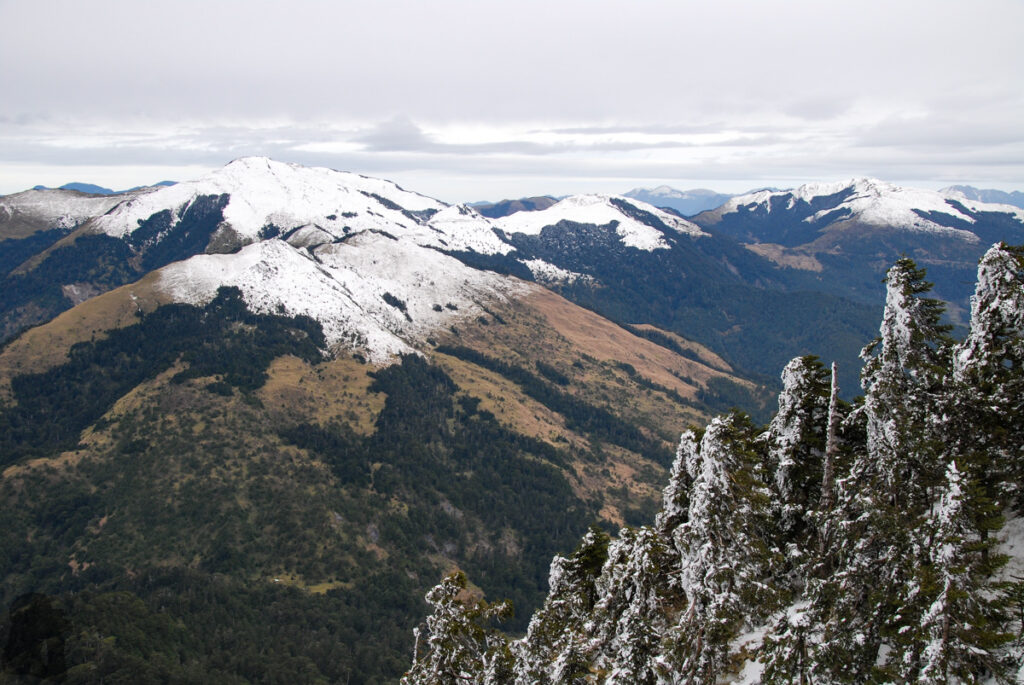
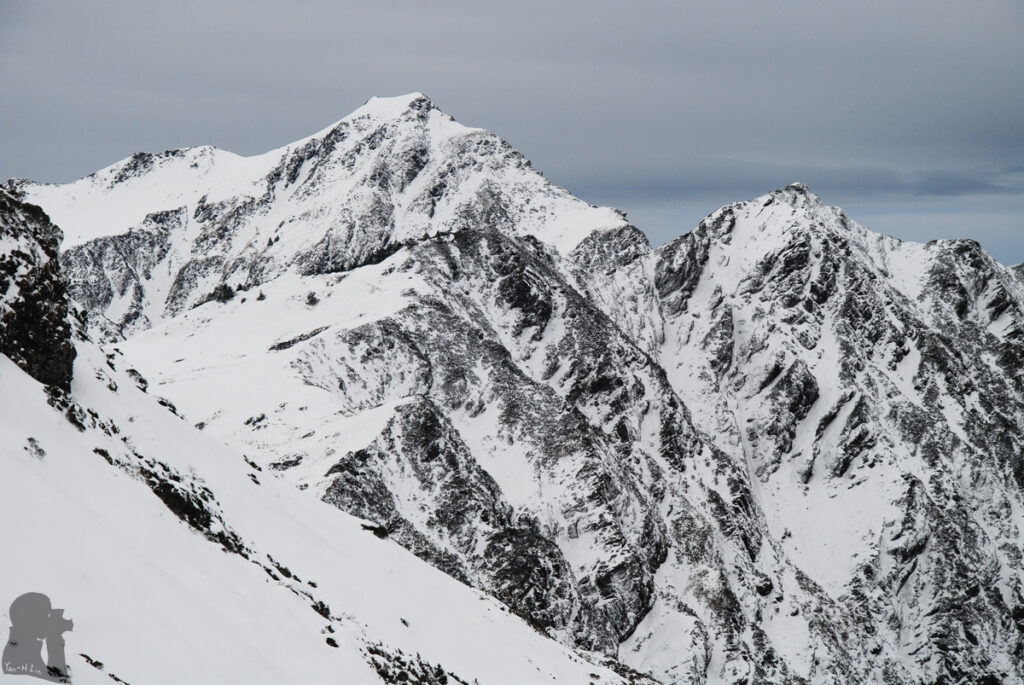
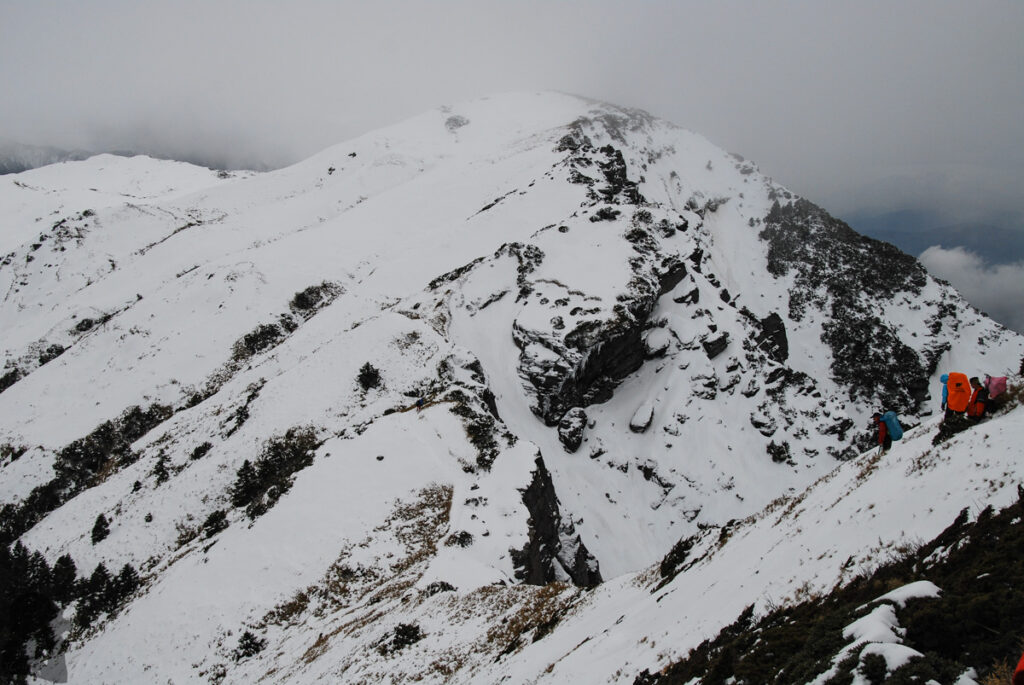
In the cheerful mood from the amazing landscape that most of us have not seen before, we headed toward Qilai North Peak. People who have been there won’t forget the steepness of the route, let alone when it is under deep snow.
Step by step we slowly climbed until where might be only 15 minutes left before the summit. While we were crossing a chute under the summit I heard a teammate yelling in panic, but I could not see what was going on as I was facing the rock. For a few seconds it appeared everyone was stunned in a dead silence! One of the porters slipped down the chute and soon disappeared from the sight. Our guide immediately called off the hike.
The other senior porter led us to turn back while our guide was going down to find the missing teammate. It was truly a miracle that the guy was unharmed (physically) after sliding several hundreds meters on the snow. He told us he finally gripped a corner of a boulder which stopped him, but our team’s supplies dropped everywhere, something he was more worried about! What a heroic mind! Anyway he survived and all the stuffs were retrieved safely. We stayed in Chenggong Cabin (成功山屋) for the night after this 12-hour lesson and retreated to the trail head in the next morning in one piece.
I believe our guide did everything he could to finish this hike with a reasonable ending, but as a team member there was still much to improve in terms of mountain safety. In a way we were likely “saved” by this incident because the hike after the Qilai North Peak would be more difficult, and we actually did not know anything about the following trail condition.
Here are what I observed during this hike and some opinions regarding the hiking safety in a snow season:
1. Rainboots are very handy footwear for hiking in Taiwan (but not suitable for everyone), especially when the trail is slippery and wet. Therefore most of us wore them for this trip like normal. They are fine when the snow is soft, but become a pain when kicking steps on harder snow due to their softer toe boxes; they do not keep feet warm like conventional hiking boots; also snow get into the boots from the big opening under the knees; crampons may not be put on securely because rainboots are very pliable.
2. Our guide was the only person carrying an ice axe, an essential snow hiking gear.
3. Crampons: ideally hikers should use 10- or 12-point mountaineering crampons to deal with the steep terrain on Qilaishan. I only got 6-point ones and some other teammates even used 4-point crampons, which did not provide enough traction and should be used only on gentle terrain.
4. Experience: snow hiking is really not what people commonly experience in Taiwan. Not many hikers attend a course to learn and practice the skills for it. Many people think their safety can totally depend on the leadership / skills of the guide or the illusive “teamwork”, but none of them will work if you are not well-prepared.
To know more about the hazard of snow hiking in Taiwan, please click to read the section.
To know more about hiking on Qilaishan trails, please find the posts, “Qilaishan Main & North Peak”, “Qilai Range”, “Qilai North Face to Pingfengshan” and “Qilai East Ridge”.