The content on this website is published in English. I cannot guarantee the quality of the translated text generated by the plugin of this website. The machine-translated “names” and “terminology” are often inconsistent and/or incorrect. If it looks confusing, please switch back to the English version.
Disclaimer: Information such as the locations or the trails shown on the maps of this website might be inaccurate, misleading or out-of-date. They are only the simple illustration for the ranges of the hiking trails or the points of interest. Please prepare your own navigation device, apps, topo maps, and GPX files for hiking.
About Dabajianshan
The Difficulty Rating: ★★★☆☆
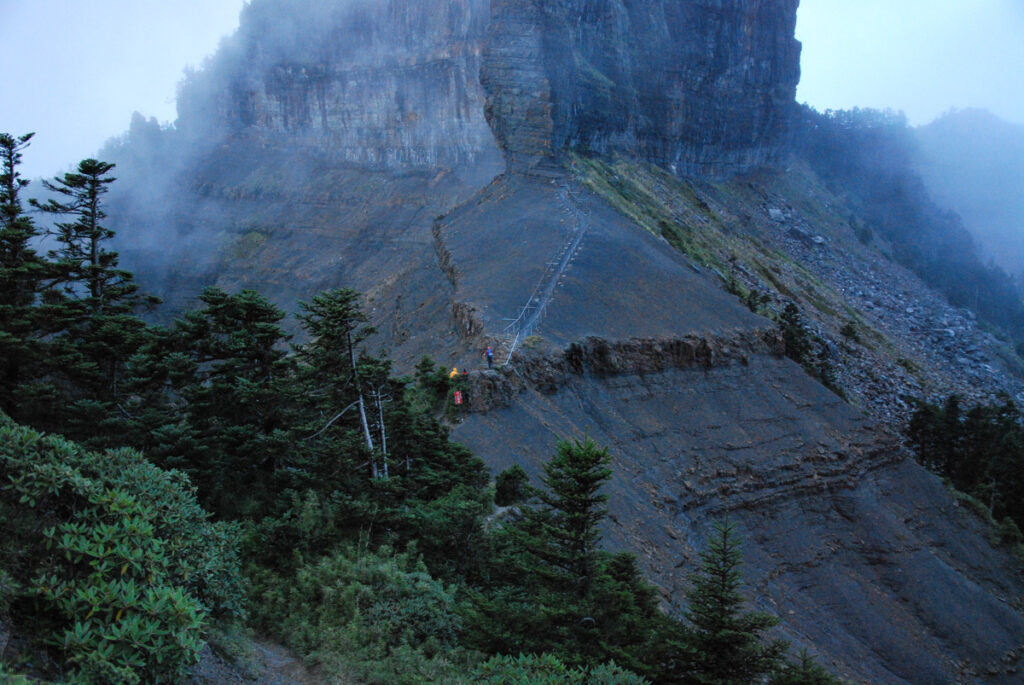
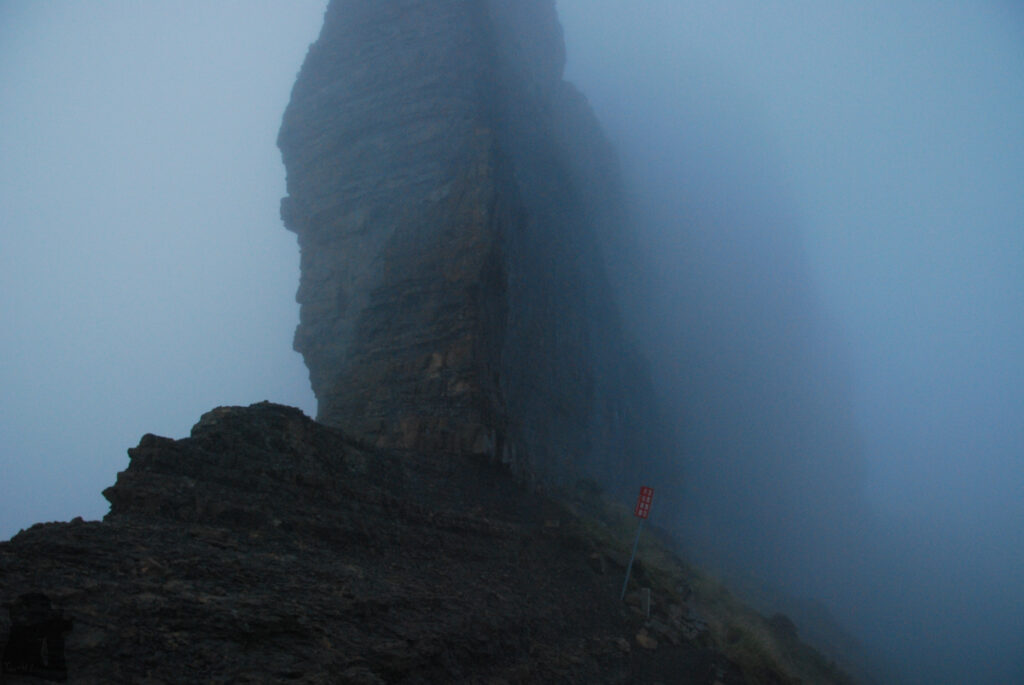
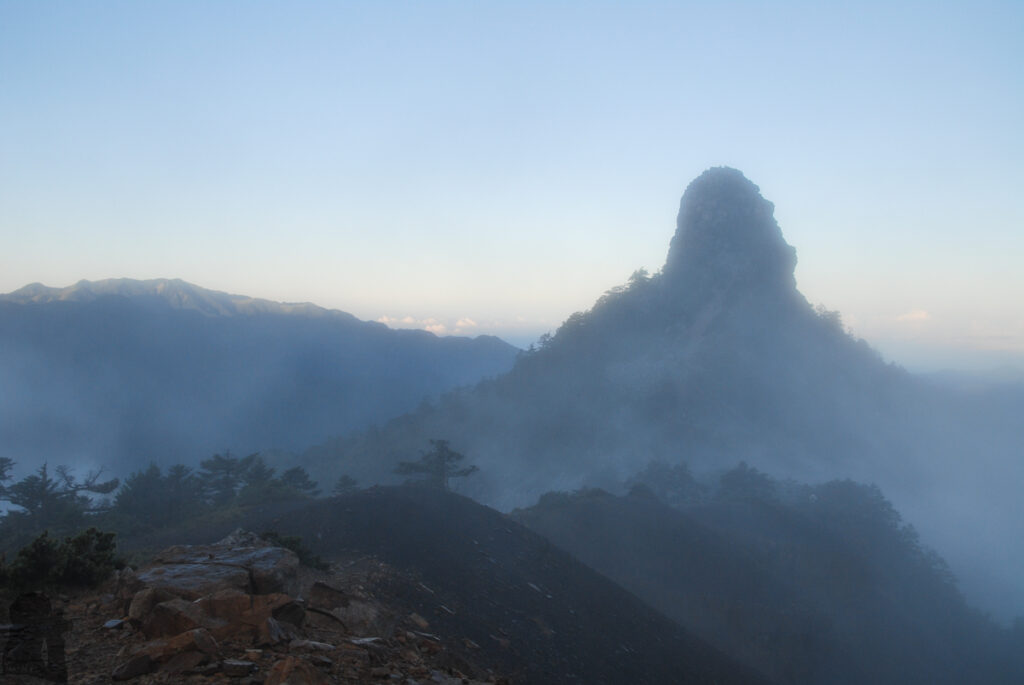
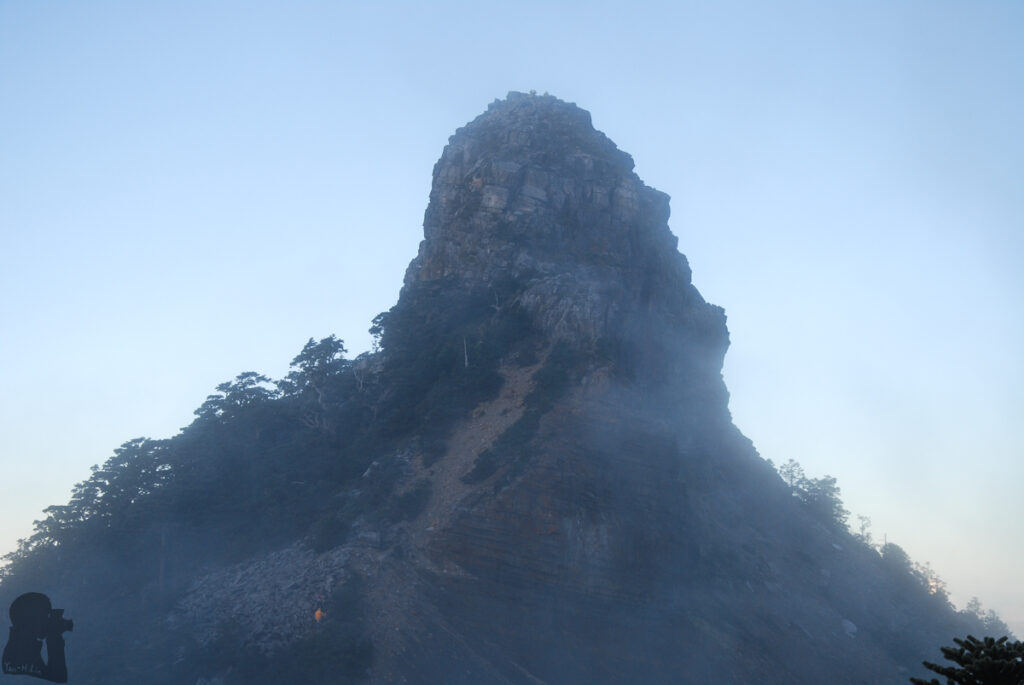
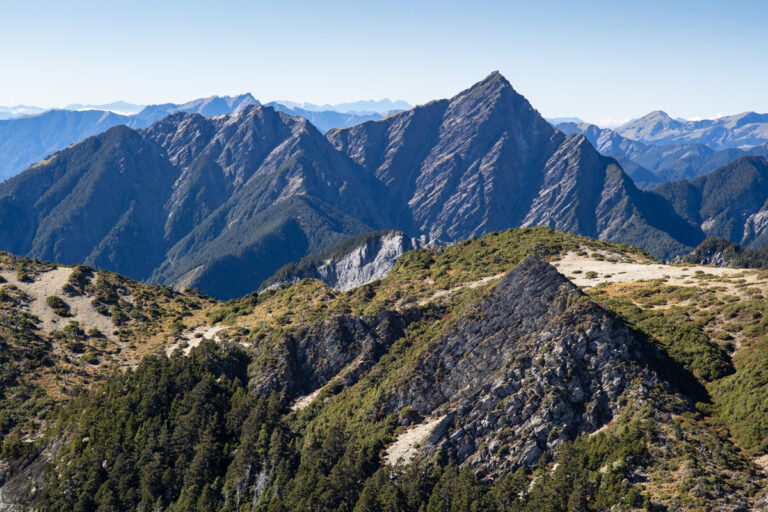
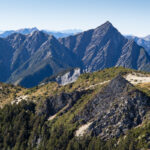
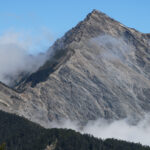
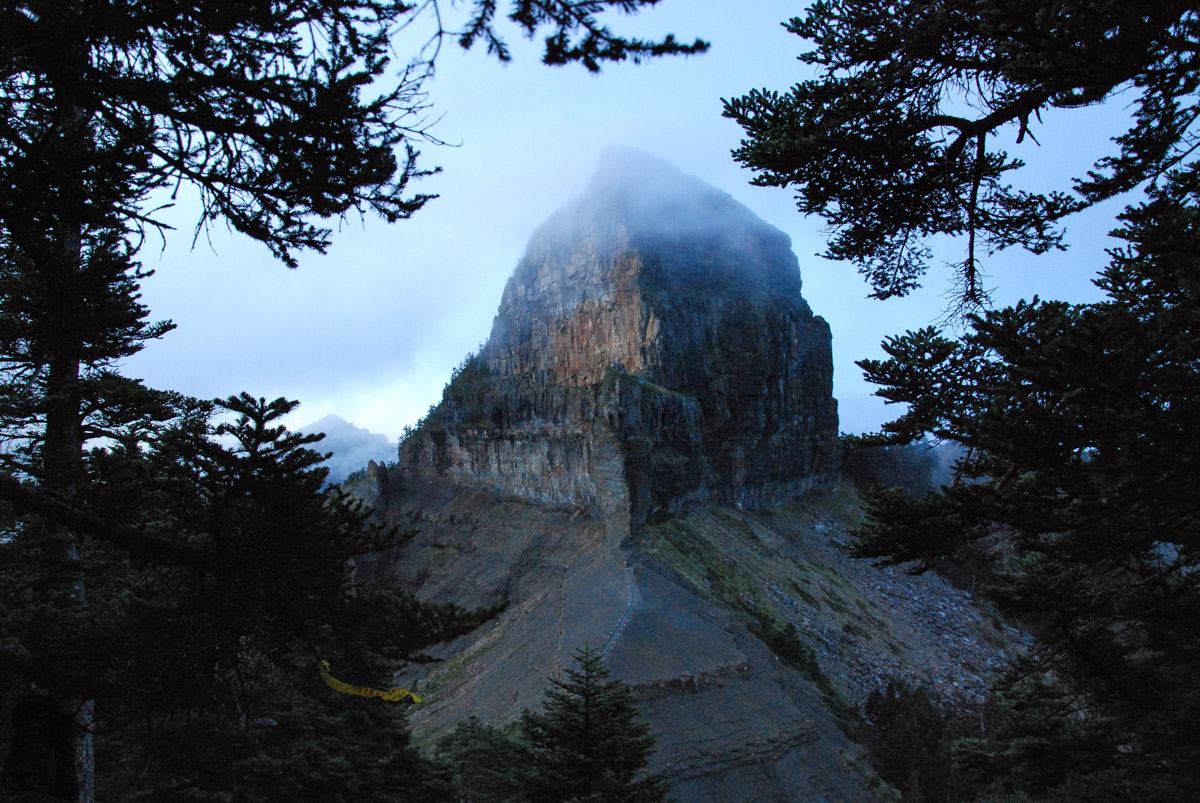
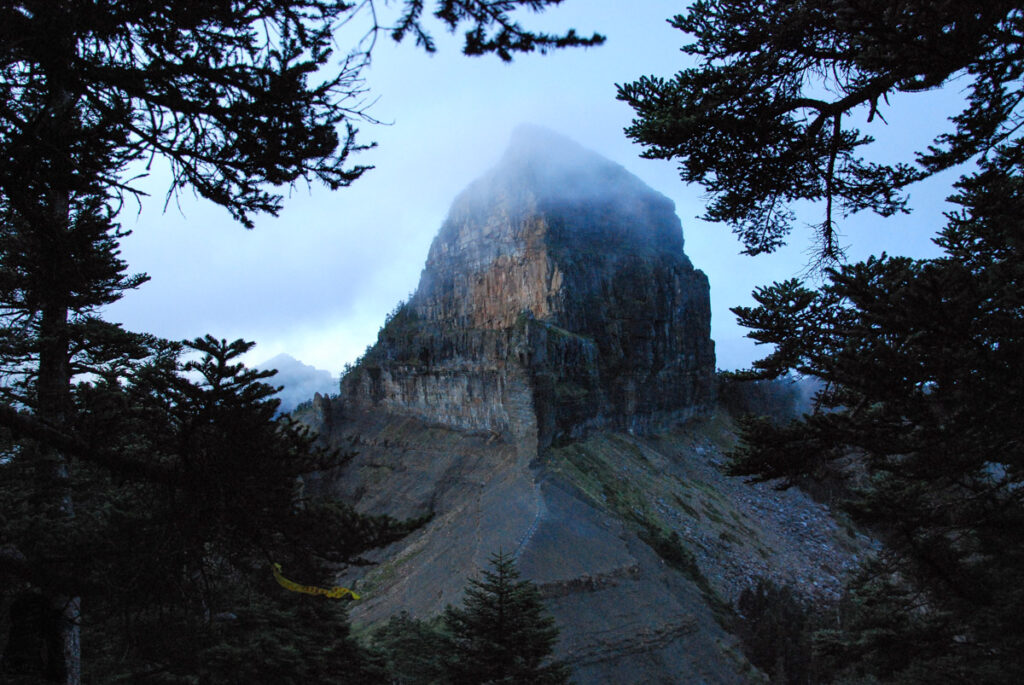
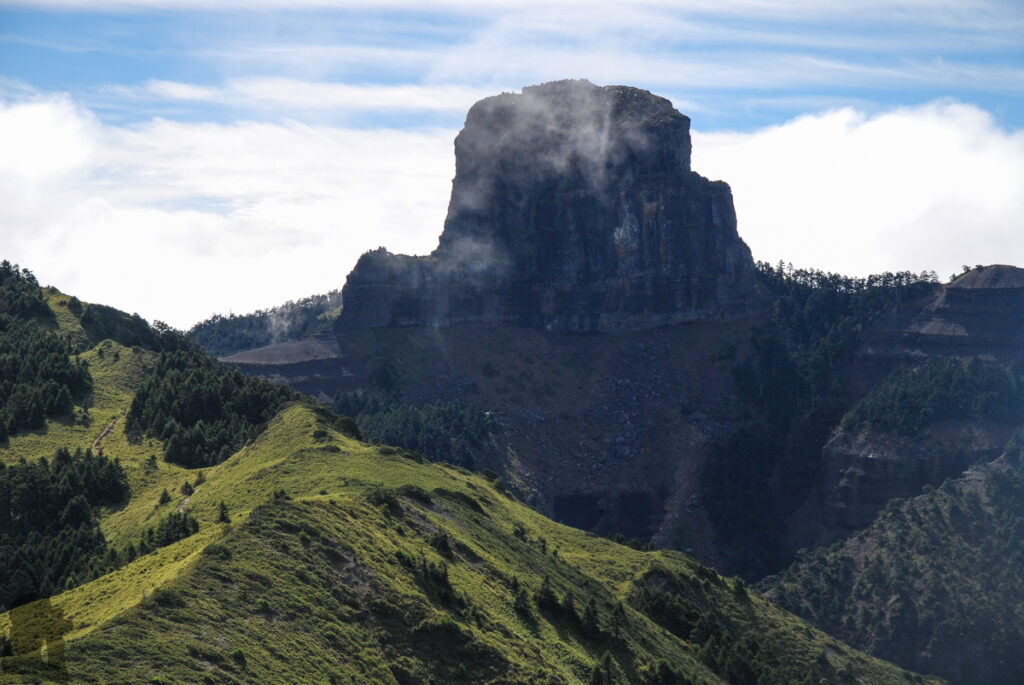
Dabajianshan (大霸尖山) is one of the most representative high mountains in Taiwan. Actually there must be millions of people touching its image on TWD 500 notes every day. Among the many mountains of Taiwan, none is similar to its majestic peak. On a clear sunny day, people in Taipei may see it standing in the distance; its sheer and gigantic summit protrudes 150 m from the base, making it highly recognizable. Traditionally this mountain is also regarded as the origin of the Atayal (泰雅族) and Saisiyat (賽夏族) people’s ancestors.
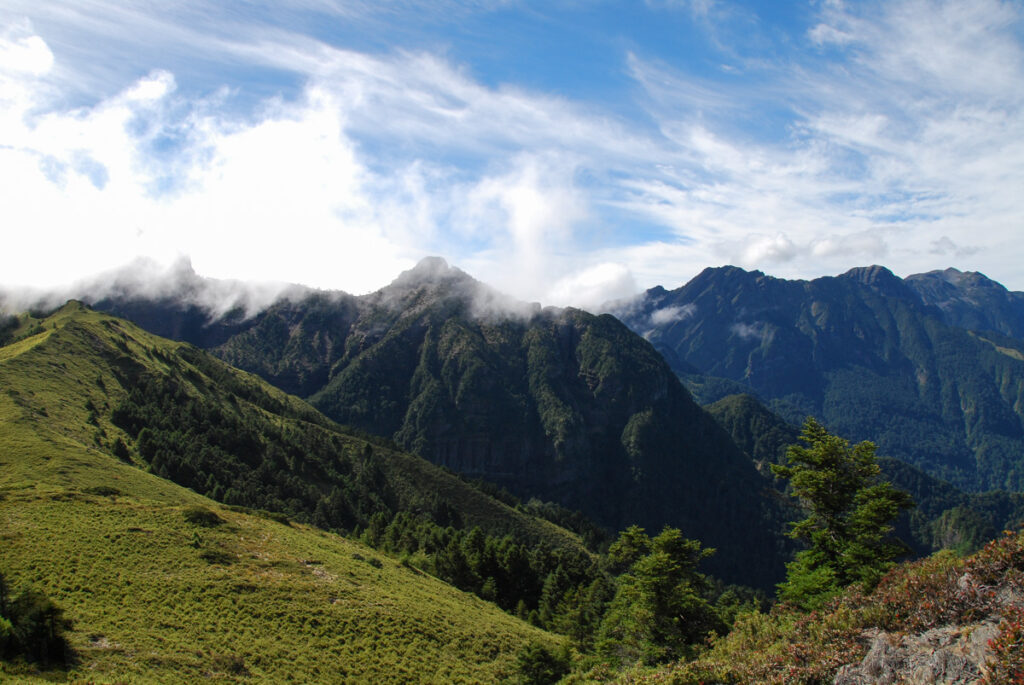
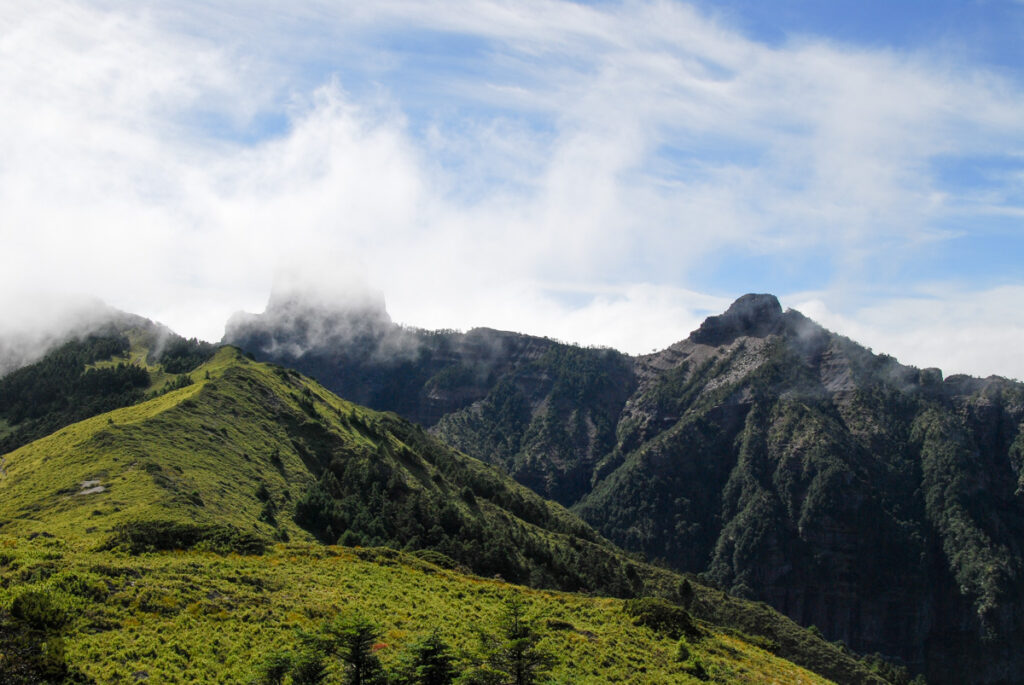
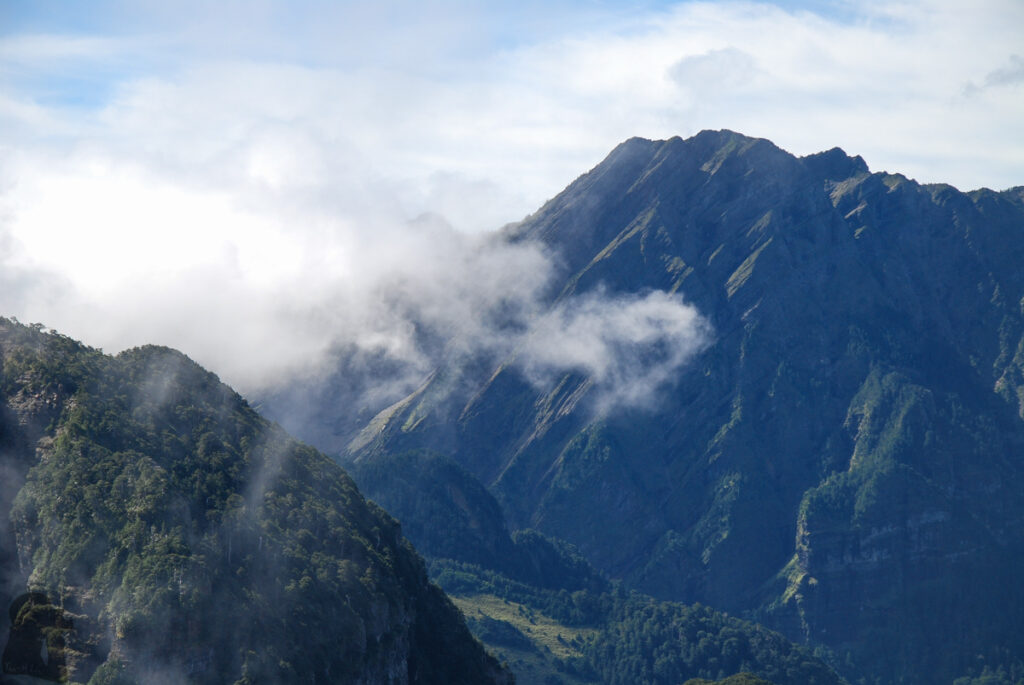
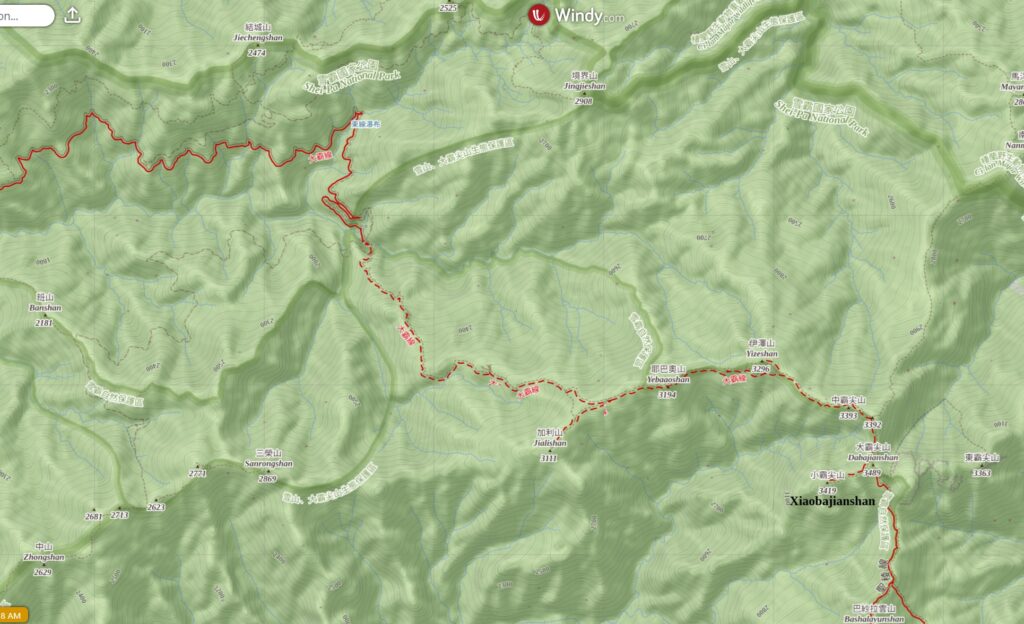
Dabajianshan is at the northern end of the Holy Ridge (or Shengleng Trail 聖稜線), the ridge between it and Xueshan (or Mt. Snow 雪山). Most of hikers visit Dabajianshan for the first time on a return trip from the trail head in Guanwu (觀霧) and more experienced hikers may reach it via the Holy Ridge or Wuling Quadruple Mountains (武陵四秀) or North Dabajian Trail (the north ridge of Dabajianshan 大霸北稜).
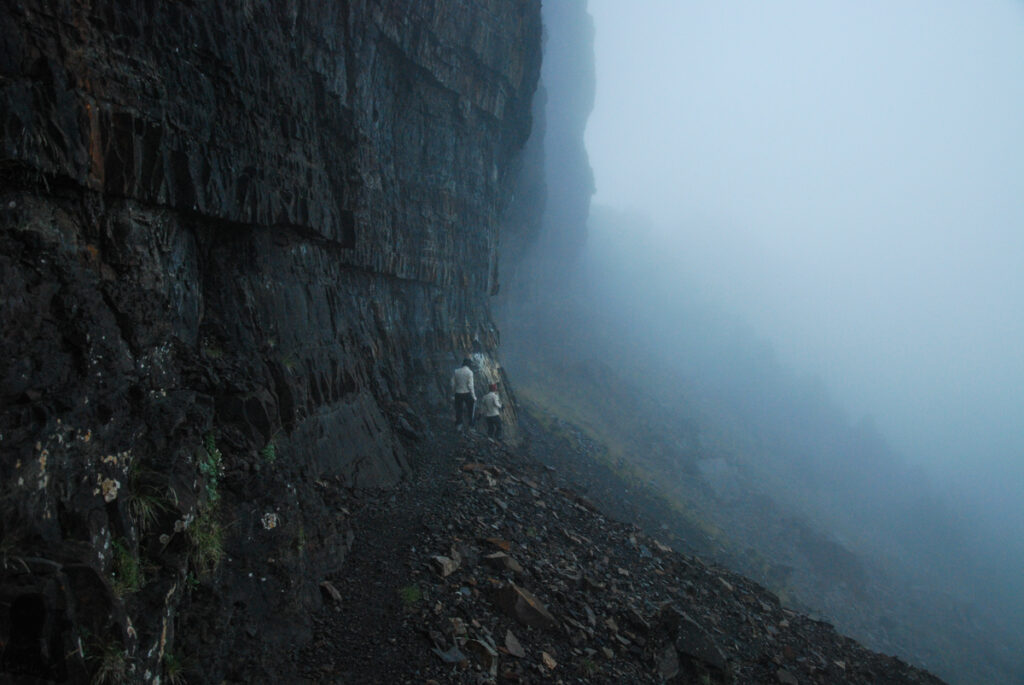
Given the climb to the very top of Dabajianshan has been forbidden long time ago, the return hike to the summit base is fairly simple but still physically demanding. The only risky section may be during the climb to the top of Xiaobajianshan (小霸尖山) as you may need to scramble. The majority of the hike is not very exciting although the scenery is nice.
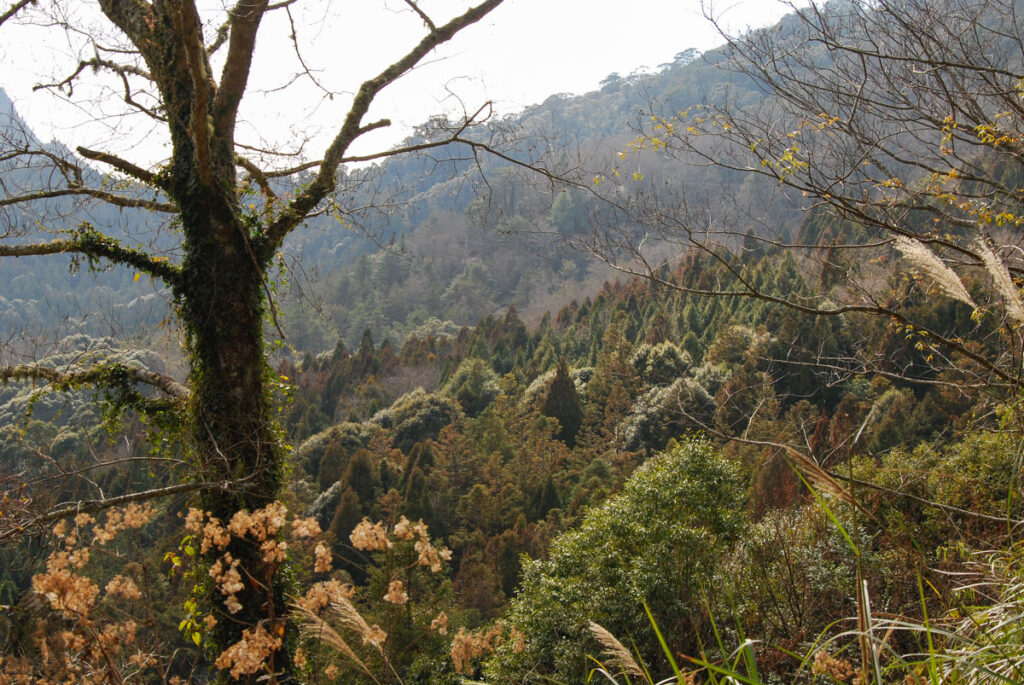
Interestingly when people describe the highlights along the trail afterwards, the stunning peak of Dabajianshan is usually not the only thing mentioned but also the most boring part, the 19-km walk (or 17 km plus a steep shortcut) on the east branch of Dalu Forest Road (大鹿林道) from Guanwu to the trail head of Madala (or Madara) Creek (馬達拉溪). On top of that, you will have to walk through this section twice in total (for a return trip).
It is not just the mileage that makes this walk dull but also due to its normally good road condition which is short of any challenges, except the demand for a high level of patience. I heard hikers using a trolley to move their backpacks on the road and in recent years some people hired bikes to save the precious time (and add some fun). Anyway motorized vehicles are still not allowed to enter this forest road, except for the authorized personnel to deal with emergency or road maintenance.
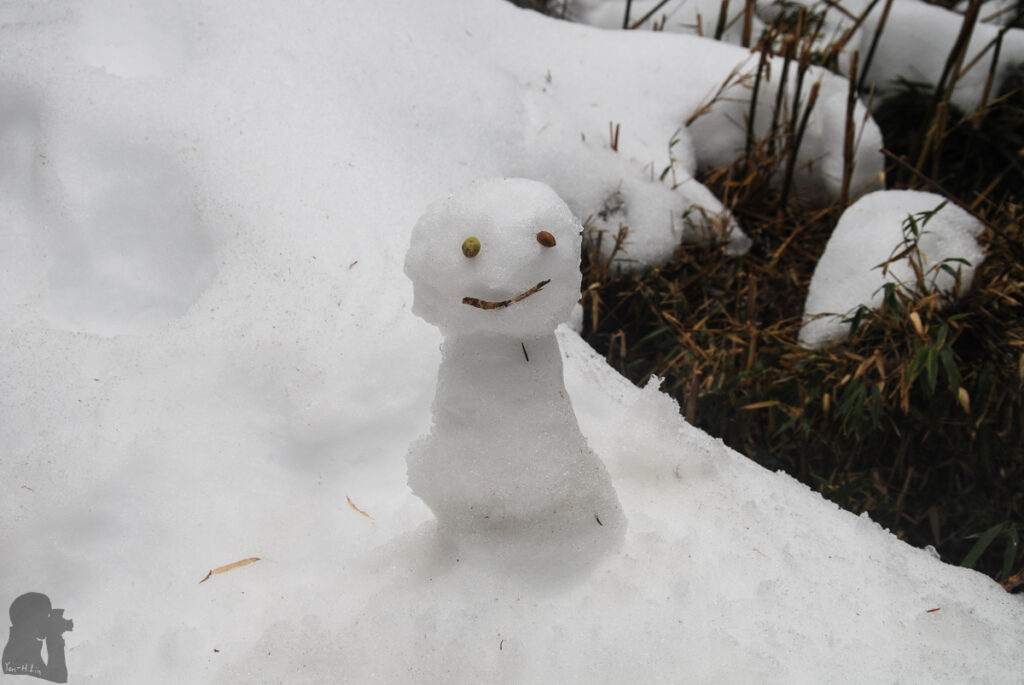
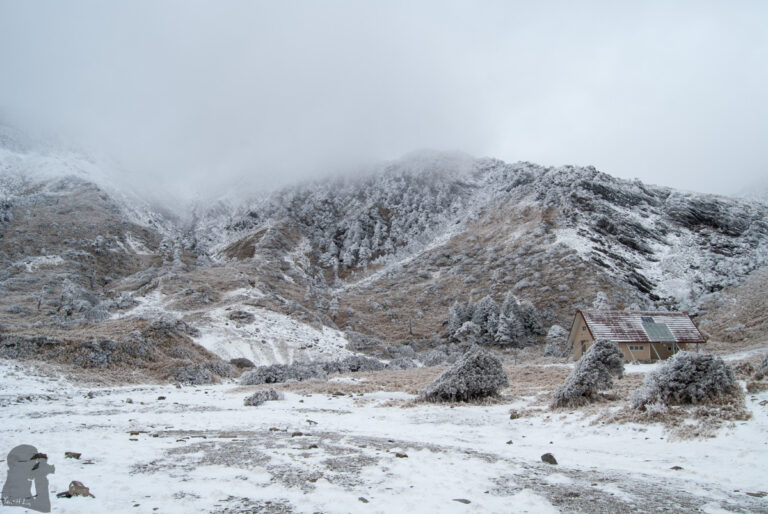
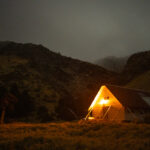
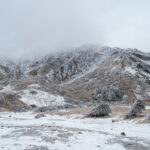
On the last day of my first hike there in 2010, our team was retrieved to Guanwu from the forest road by a police car as a typhoon approached Taiwan and the national park wanted to evacuate all the hikers ASAP. In the next year my partner and I joined a guided hike on this trail, but the trail was snowy and the visibility was pretty low during the hike. Therefore we turned back to Jiujiu Hut (99 Hut 九九山莊) earlier than other teammates who continued to the base of Dabajianshan in the fog.
It appeared I was not favored by this mountain as my further attempts to visit it via different routes in 2022 and 2025 were canceled because of the poor weather condition.
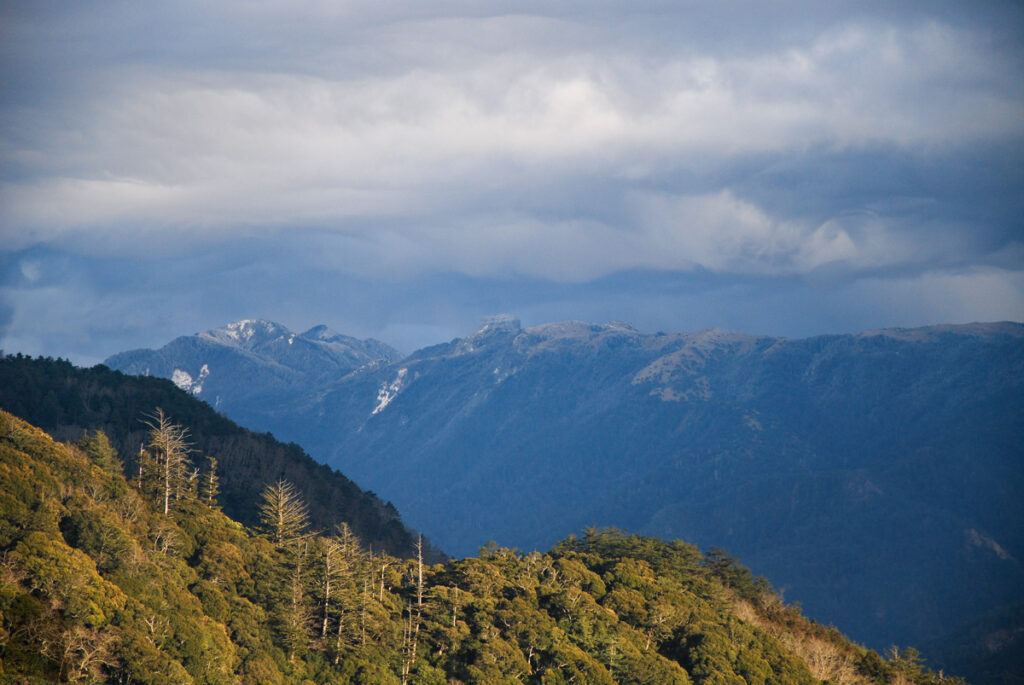
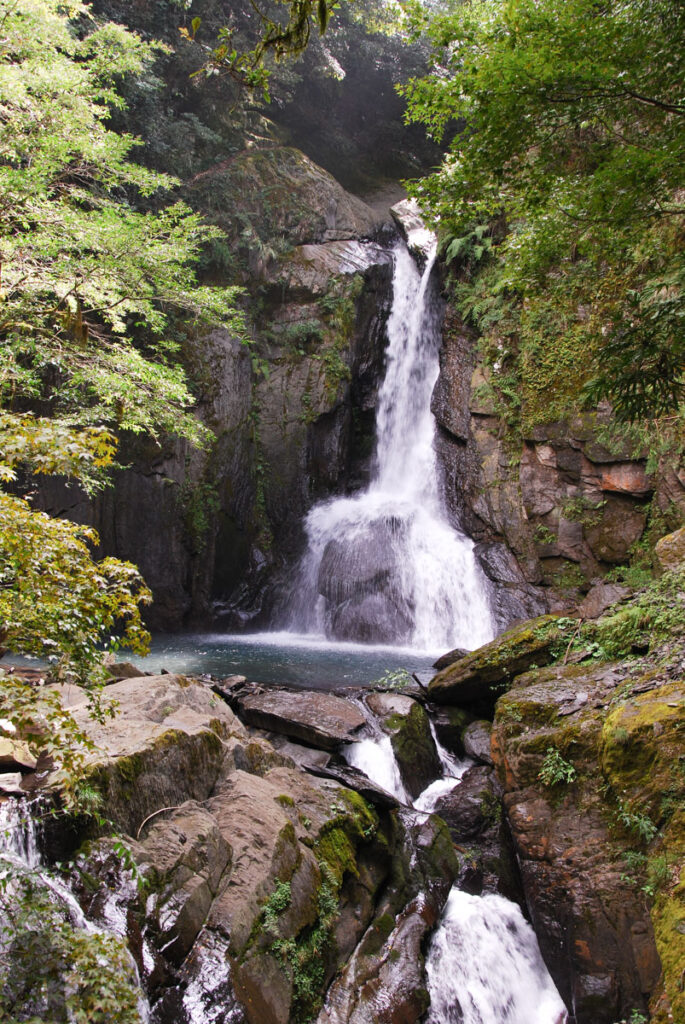
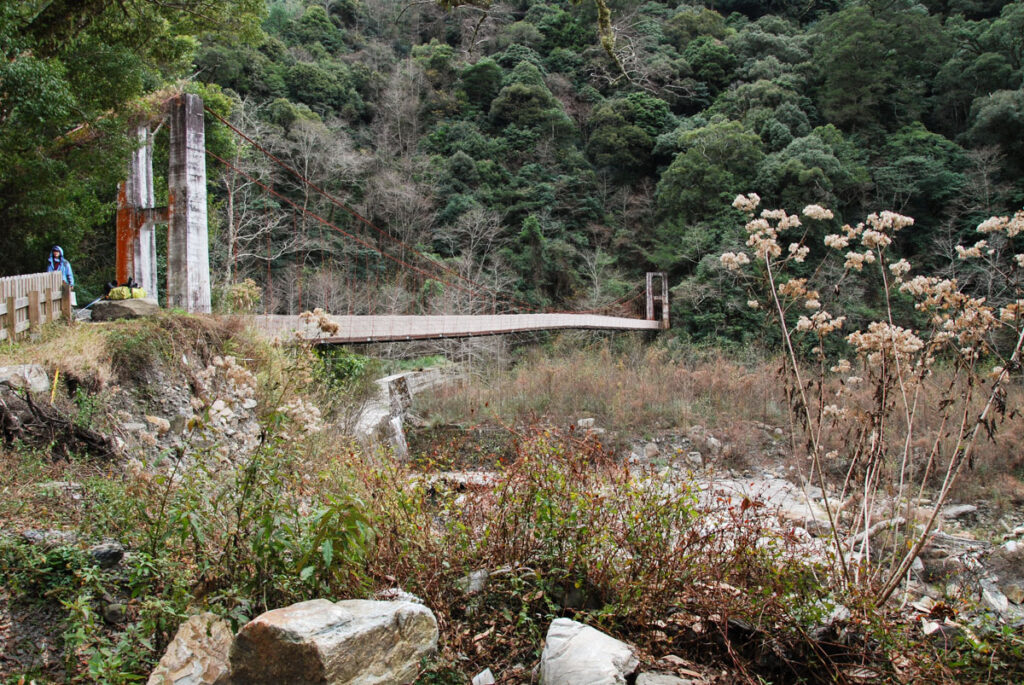
There was a period of time that hikers can climb to the summit with the stairs installed on the rock face until they were removed in 1991. But before the official ban on the summit climb by the national park in 2010, there had been numberless hikers reaching the top in other ways.
In addition to the safety concern, this policy is to respect the indigenous people’s culture. Not every hiker was happy about the prohibition. Some people said this policy was only for the authority to be exempt from the liability if any accident happen.
Anyway, I don’t know if anyone still insist on climbing it. This is the only Baiyue you can not climb legally.